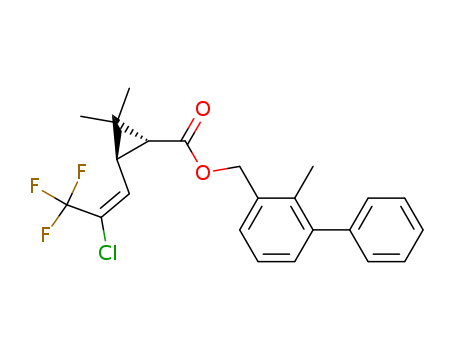
Pyrethroid insecticides
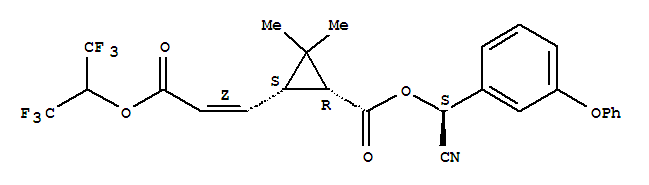
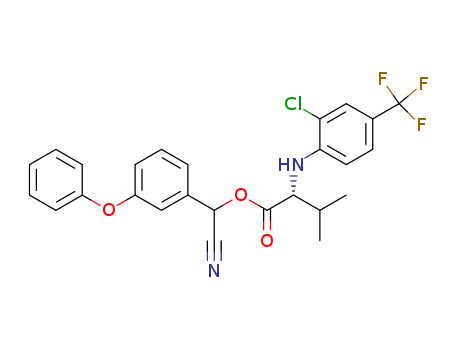
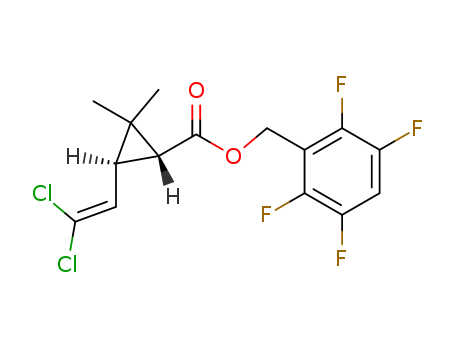
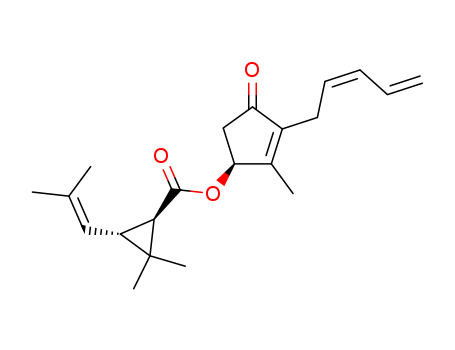
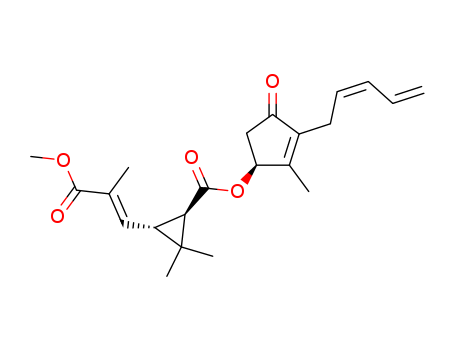
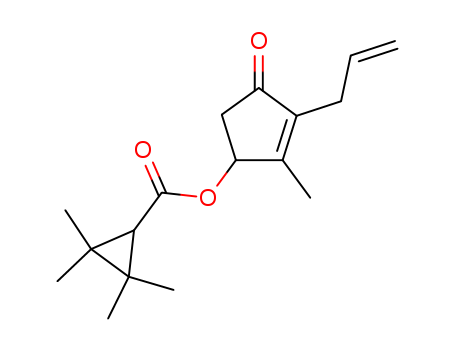
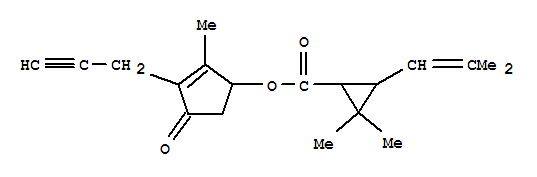
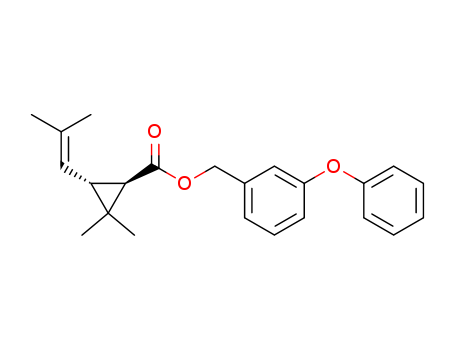
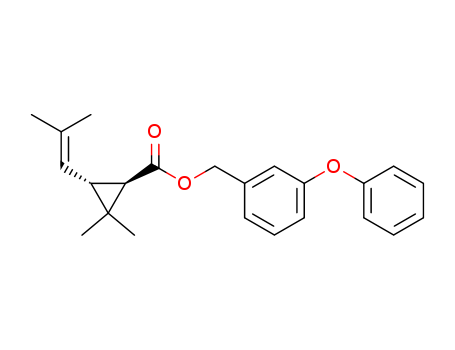
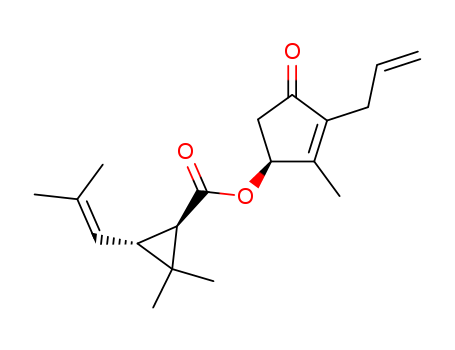
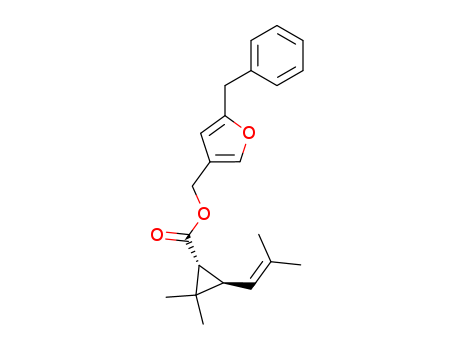
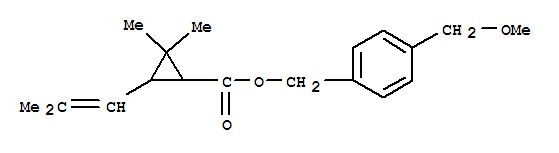
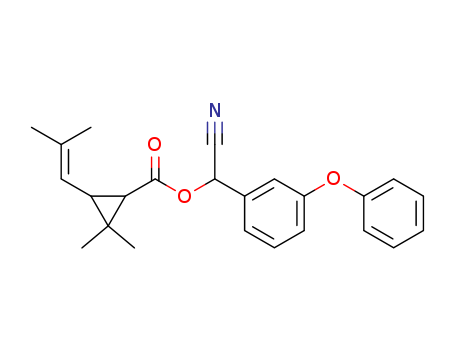
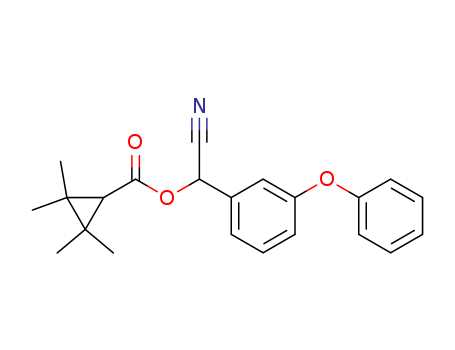
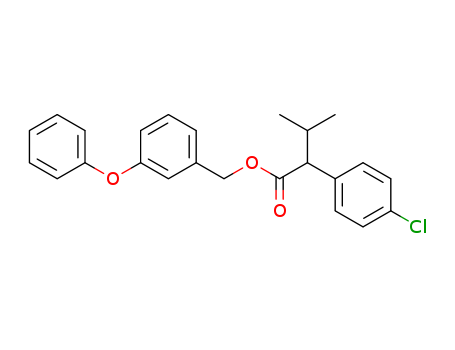
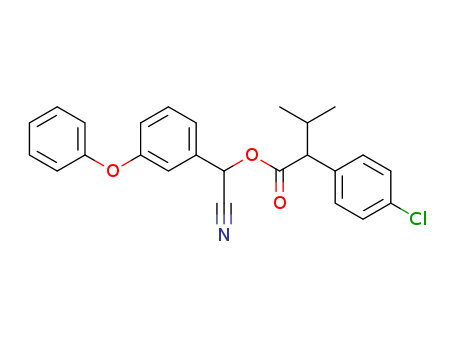
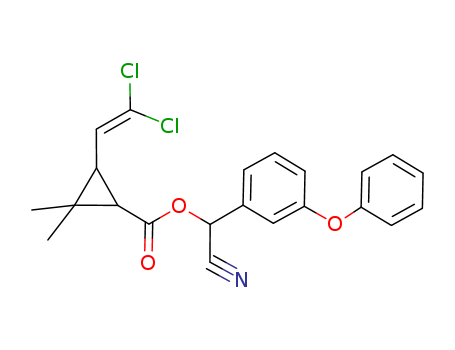
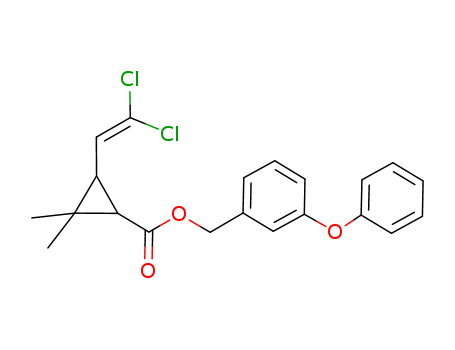
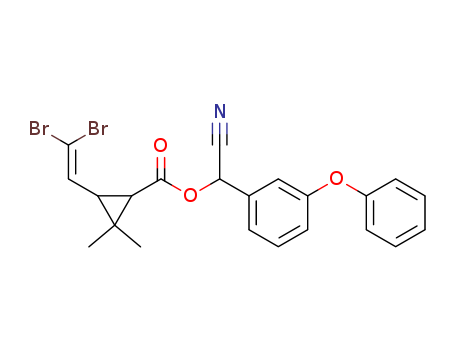
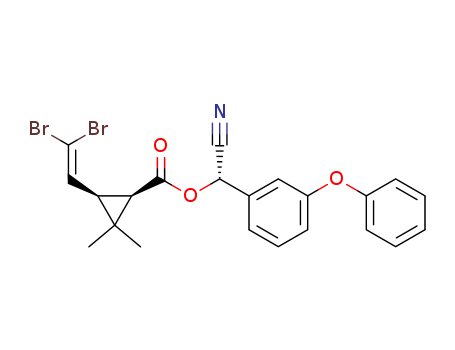
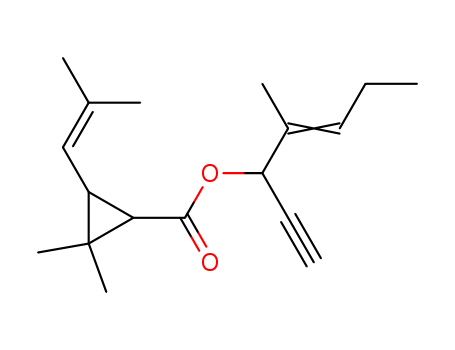
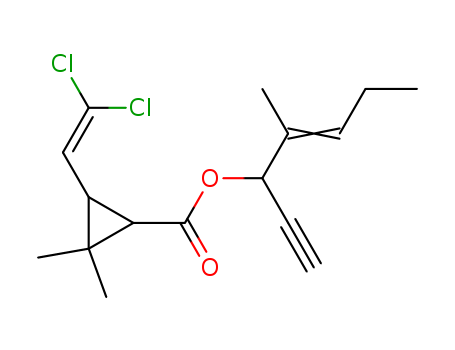
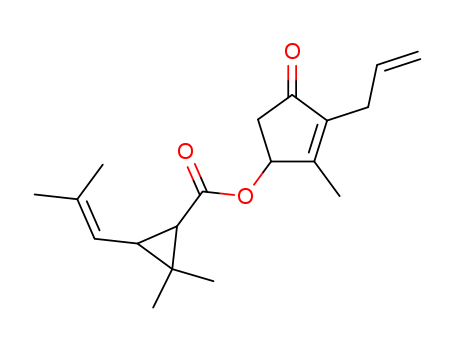
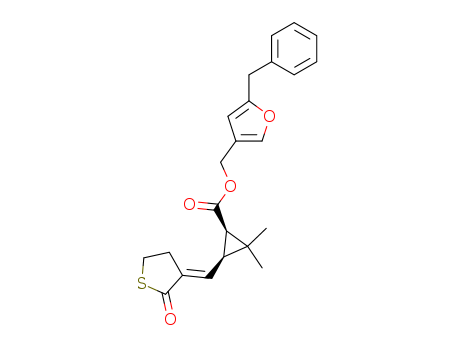
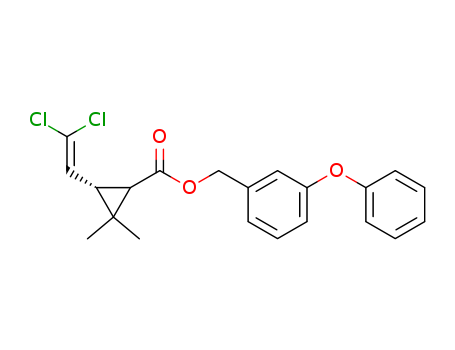
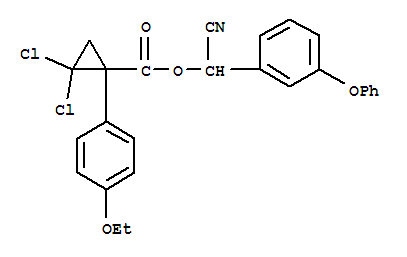
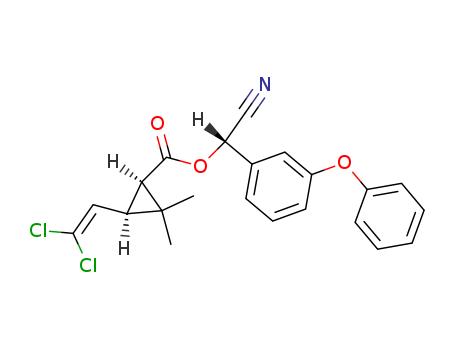
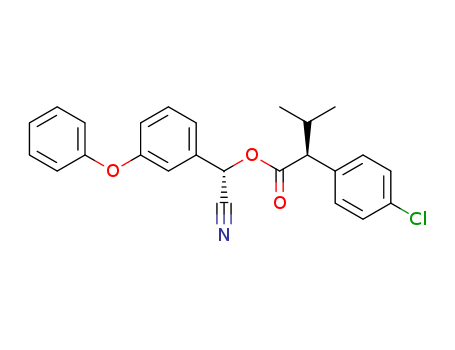
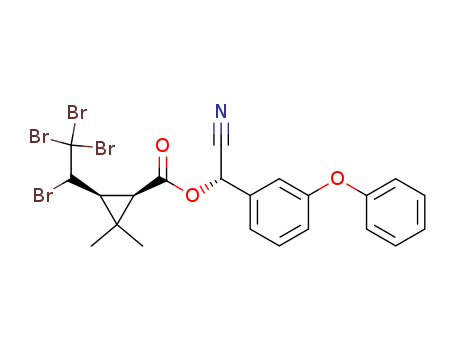
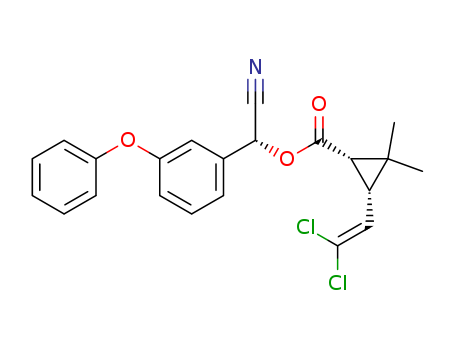
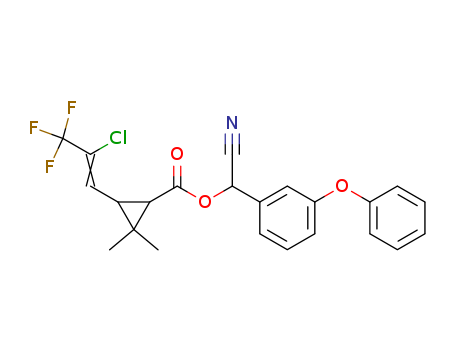
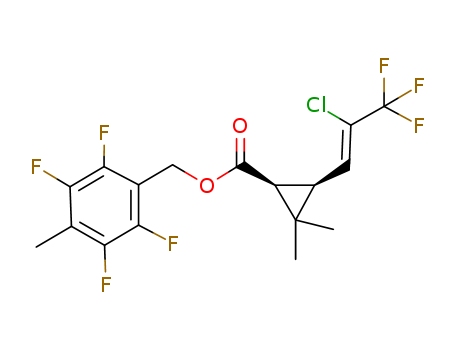
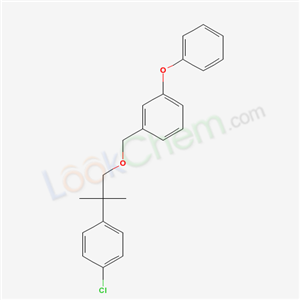
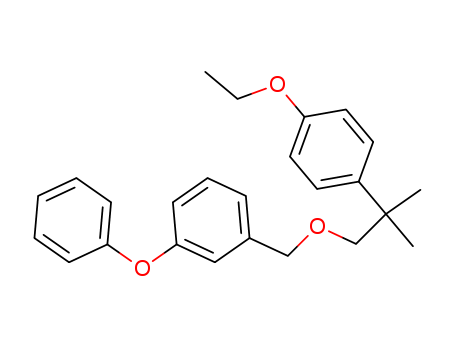
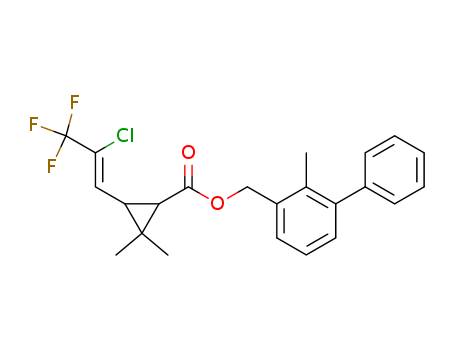
Pyrethroid insecticides are synthetic chemicals derived from natural pyrethrins, which are insecticidal compounds found in chrysanthemum flowers. These insecticides are widely used to control insect pests in agriculture, residential areas, and public health applications. Pyrethroid insecticides work by disrupting the nervous system of insects, causing repetitive nerve impulses that lead to paralysis and eventual death. They achieve this by prolonging the opening of sodium channels in nerve cells, which affects the transmission of nerve signals. Pyrethroid insecticides are effective against a broad spectrum of insect pests, including mosquitoes, flies, cockroaches, and agricultural pests like aphids and caterpillars. They are valued for their low toxicity to mammals and birds compared to older insecticide classes like organophosphates. Common examples of pyrethroid insecticides include permethrin, deltamethrin, and cypermethrin.
- Structure
- Product name
- CAS No.
- Molecular formula
- Inquiry
![[2,3,5,6-tetrafluoro-4-(methoxymethyl)phenyl]methyl 2,2-dimethyl-3-pro p-1-enyl-cyclopropane-1-carboxylate](http://file1.lookchem.com/cas/reactions/2021/07/05/11603729.png)