Rodenticides
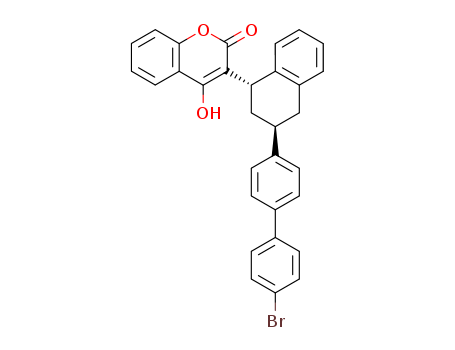
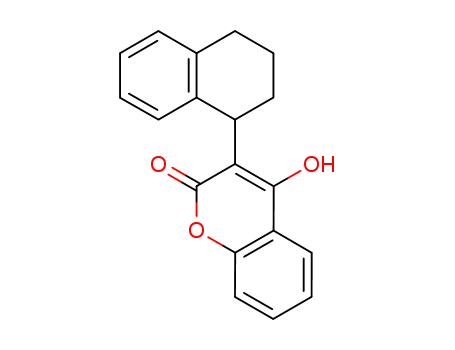
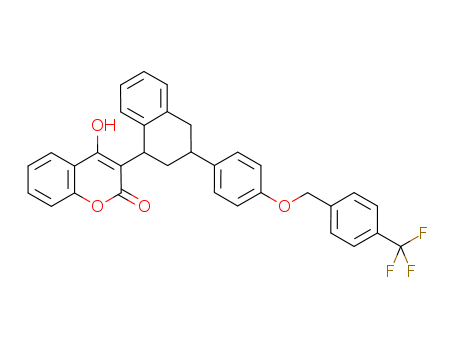
Rodenticides are chemical substances designed to kill rodents, including rats and mice. These toxicants are used to control rodent populations in various settings, such as agricultural fields, residential areas, warehouses, and food storage facilities. Rodenticides work by either causing lethal poisoning through ingestion or disrupting physiological functions critical to rodent survival. Common active ingredients in rodenticides include anticoagulants (e.g., warfarin, bromadiolone) that interfere with blood clotting mechanisms, causing internal bleeding and eventual death, and acute toxicants (e.g., zinc phosphide, bromethalin) that affect neurological functions, leading to rapid mortality. Rodenticides are typically formulated as baits or pellets attractive to rodents, facilitating ingestion. However, their use requires caution to prevent accidental poisoning of non-target animals, pets, and humans. Proper application techniques, adherence to safety guidelines, and consideration of environmental impact are crucial aspects of effective rodenticide use.
- Structure
- Product name
- CAS No.
- Molecular formula
- Inquiry
Total:11 Page 1 of 1 1


![2-[(p-Chlorophenyl)phenylacetyl]-1,3-indandione](http://file1.lookchem.com/300w/synthetic/2022-01-22-12/241b12fe-1478-42f3-9a10-0df6adb3d99f.png)