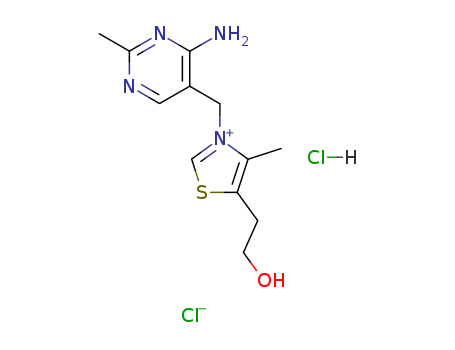
Vitamins
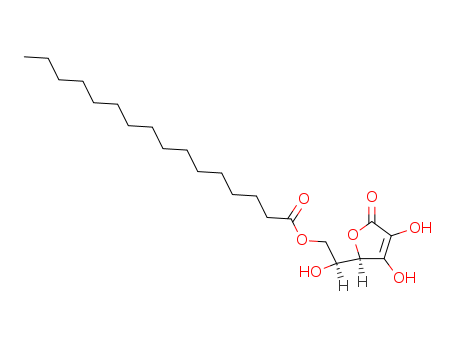
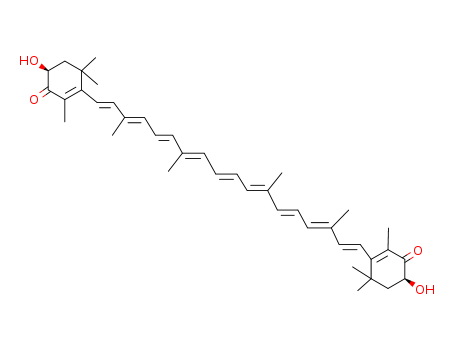
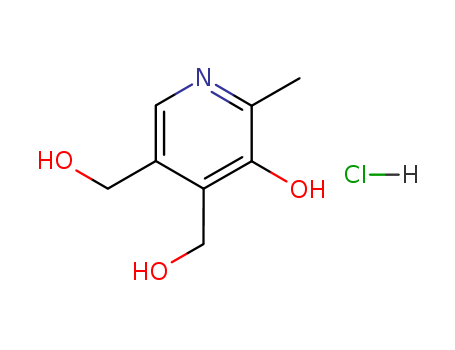
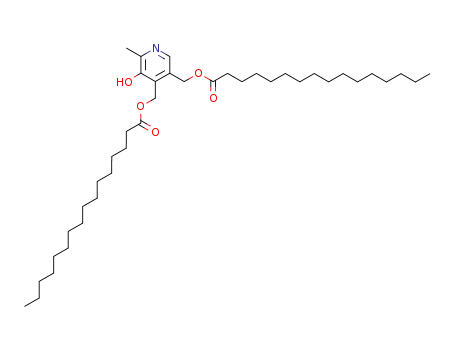
Vitamins are essential organic compounds required in small amounts for normal physiological functioning and growth in humans and animals. They play critical roles as coenzymes, regulators of enzyme activity, and antioxidants in various metabolic pathways. Vitamins are classified into two main groups based on their solubility: water-soluble vitamins (such as vitamin C and B-complex vitamins) that are not stored in the body and require regular intake, and fat-soluble vitamins (including vitamins A, D, E, and K) that are stored in the liver and adipose tissue. Each vitamin has specific functions; for example, vitamin A is crucial for vision and immune function, vitamin D regulates calcium absorption and bone health, and vitamin C acts as an antioxidant and aids in collagen formation. Deficiencies or excesses of vitamins can lead to various health problems, highlighting the importance of balanced nutrition and dietary intake. Vitamins are obtained primarily from food sources like fruits, vegetables, grains, dairy, and meat products, with fortified foods and supplements serving as additional sources to ensure adequate intake in populations with specific dietary needs.
- Structure
- Product name
- CAS No.
- Molecular formula
- Inquiry
Total:6 Page 1 of 1 1