10.1021/ja100214e
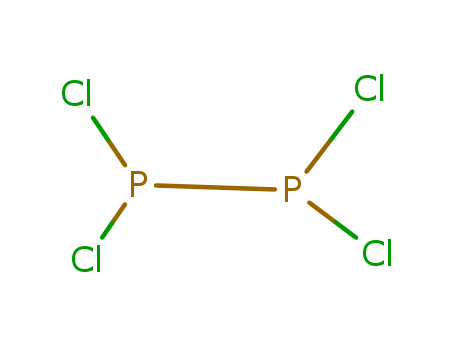
The study, titled "Phosphinidene Complexes of Scandium: Powerful PAr Group-Transfer Vehicles to Organic and Inorganic Substrates," investigates the synthesis and reactivity of scandium phosphinidene complexes. The researchers utilized the (PNP)Sc(III) scaffold to create reactive scandium phosphinidene complexes. They synthesized a dinuclear scandium phosphinidene complex, [(PNP)Sc(μ2-P[Trip])]2, by reacting (PNP)Sc(CH3)Br with LiPH[Trip]. Additionally, they prepared a mononuclear phosphinidene ate complex, [(PNP)Sc(μ2-P[DMP])(μ2-Br)Li], by treating LiP(H)[DMP] with (PNP)Sc(CH3)Br. These complexes demonstrated significant reactivity, engaging in phospha-Wittig chemistry with ketones and phosphorus dichlorides, and facilitating intermetal phosphinidene group transfer. The study highlights the potential of these scandium phosphinidene complexes as powerful reagents for delivering PAr units to various substrates, showcasing their utility in organic and inorganic transformations.