Refernces
10.1007/s12039-012-0354-x
The research focuses on the synthesis and evaluation of a series of 2-(3-methyl-2-oxoquinoxalin-1(2H)-yl)acetamide-based azetidinone derivatives as potential antibacterial and antifungal agents. The study involved the synthesis of twelve compounds, which were subjected to in vitro antibacterial testing against E. coli, S. aureus, K. pneumoniae, P. aeruginosa, and antifungal testing against C. albicans, A. niger, and A. flavus using the cup-plate method. The synthesized compounds were confirmed through spectral data interpretation, including Fourier Transform-Infrared (FT-IR) spectroscopy, proton nuclear magnetic resonance (1H-NMR) spectroscopy, electrospray ionization mass spectrometry (ESI-MS), and elemental analysis. The experiments utilized various reactants such as pyruvic acid, o-phenylenediamine, ethylchloroacetate, potassium carbonate, and different aromatic aldehydes, along with chloroacetylchloride and triethylamine for the final compound formation. The structures of the synthesized compounds were elucidated using these analytical techniques, and their biological activities were assessed and compared with standard drugs to determine their potential as antimicrobial agents.
10.1007/s00706-007-0649-7
The research focuses on the synthesis of novel heterocyclic compounds, specifically 1,2,4-triazol-3-ylmethyl-, 1,3,4-oxa-, and -thiadiazol-2-ylmethyl-1H-[1,2,3]-triazolo[4,5-d]pyrimidinediones, which are potentially useful as antiviral agents against hepatitis B virus. The experiments involved the synthesis of 1-carbethoxymethyl-4,6-dimethyl-1H-[1,2,3]triazolo[4,5-d]pyrimidine-5,7(4H,6H)-dione and its subsequent reactions with hydrazine hydrate to yield a hydrazide. This hydrazide was further reacted with phenylisothiocyanate or carbon disulfide and KOH to produce thiosemicarbazide and oxadiazole derivatives. Various alkylation and cyclization reactions were performed to form the desired heterocyclic structures, including the formation of 1,3,4-thiadiazole, 5-mercapto-1,2,4-triazole, and 1,3,4-oxadiazole rings. The synthesized compounds were analyzed using techniques such as infrared (IR) spectroscopy, nuclear magnetic resonance (NMR) spectroscopy, and mass spectrometry (MS) to confirm their structures. The reactants used in these syntheses included phenylisothiocyanate, carbon disulfide, alcoholic potassium hydroxide, dimethyl sulfate, ethyl chloroacetate, and various monosaccharide aldoses. The synthesized compounds were tested for their antiviral activity, with some showing moderate activities against hepatitis B virus.
10.1007/s11164-012-1009-8
The research focuses on the synthesis and mass spectral fragmentation patterns of nitrogen heterocycles with potential antimicrobial activity. The purpose of this study is to prepare and investigate the structure of various nitrogen-containing heterocyclic compounds, which have gained significant importance due to their diverse pharmacological properties, including antimicrobial, analgesic, antiasthmatic, and anti-inflammatory effects. The researchers synthesized a series of compounds, including 5-(P-tolyl)-2-[(3-bromo-4-methoxy benzylidene) hydrazino]-thiazole, 3-[(3-bromo-4-methoxy benzylidine) amino]-2-thiohydantion, and 4,6-disubstituted-3-[(3-bromo-4-methoxybenzyliden) amino]-2-thioxo pyrimidines, through cyclization reactions involving 3-bromo-4-methoxy benzaldehyde thiosemicarbazone and other reagents such as 4-methyl phenacyl bromide, ethyl chloroacetate, and dicarbonyl compounds. The synthesized compounds were then subjected to acetylation and condensation reactions to yield additional derivatives. The mass spectral fragmentation patterns of these compounds were investigated to elucidate their structures, providing valuable insights into the molecular ion peaks and fragmentation pathways. The research concluded that the synthesized compounds showed varying degrees of antimicrobial activity against Aspergillus flavus and Penicillium citrinum, with compound 1 exhibiting potent antifungal activity against A. flavus, comparable to the standard antifungal agent griseofulvin. However, compound 1 had no inhibitory effect on Penicillium sp., suggesting its potential as a growth factor for certain microbes. The study provides a foundation for further exploration of these compounds as potential antimicrobial agents.
10.1080/15257770500544545
The research focuses on the microwave-assisted organic synthesis (MAOS) of 3-(D-gluco-pentitol-1-yl)-1H-1,2,4-triazole, a compound of interest in medicinal chemistry due to its pharmacological activities. The study aims to accelerate the synthesis of seco C-nucleosides of 1,2,4-triazole using microwave irradiation, which is reported to provide higher yields and purities compared to traditional synthetic methods. The chemicals used in the process include D-glucono- and D-galactono-1,5-lactones, thiocarbohydrazide, p-nitrobenzaldehyde, ethyl chloroacetate, and various reagents for subsequent reactions such as acetic anhydride, sodium acetate, and ammonium hydroxide. The conclusions of the research indicate that microwave irradiation significantly accelerates the synthesis of the target compounds, improving yields and reducing reaction times, thus demonstrating the effectiveness of MAOS in the synthesis of these potentially medicinally important compounds.


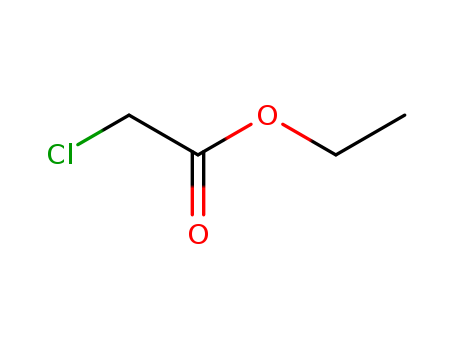
 T;
T;  N
N
 T:Toxic;


