10.1246/bcsj.69.221
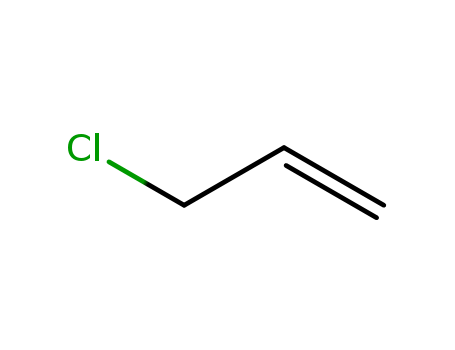
The study explores the synthesis of 10-cyanoverticillene (8) as a key intermediate in the pursuit of verticillols. The researchers utilized geranyl cyanide (3) and allyl chloride (4) as starting materials, coupling them with SnCl4 to form axial and equatorial chlorides (6a and 6b). Through dehydrochlorination of these chlorides with LiCl in DMF, they obtained cyano ester (9) and other derivatives. The cyano ester (9) was then converted to cyano chloride (7), which underwent C-C bond formation with lithium bis(trimethylsilyl)amide to yield 10-cyanoverticillene (8). The study also involved selective oxidation of the tetrasubstituted double bond in 8 to produce epoxy-verticillene derivatives (15 and 16), and attempted hydride reduction of these epoxides under various conditions, leading to unexpected results such as dehydroxymethylation. Additionally, the synthesis of dl-verticillene (13) was achieved through reduction and deformylation reactions. The study provides insights into the synthesis of verticillols and the reactivity of the synthesized compounds.
10.7164/antibiotics.53.1305
The study focuses on the synthesis and antibacterial activities of novel C(3)-aminopyrimidinyl substituted cephalosporins. Cephalosporins are widely used antibiotics, but many have become ineffective against respiratory tract infections due to resistance issues, particularly from penicillin-resistant Streptococcus pneumoniae (PRSP). To address this, researchers introduced a vinyl spacer at the C-3 position of the cephem nucleus and synthesized new cephalosporins with a C(3) substituted aminopyrimidinyl group. The synthesis involved coupling acid 3 with 7-ACLE in the presence of pyridine and phosphorous oxychloride to form intermediate 5, which was then reacted with nucleophiles (pyrimidinylthiol group) in DMF. The protecting groups were removed using trifluoroacetic acid (TFA) and anisole to obtain the final cephalosporins. Another series of compounds was prepared from chloride 5 via allyl chloride 6, using a Wittig reagent and subsequent displacement reactions. The synthesized compounds were tested for their antibacterial activities against various bacterial strains, including Gram-positive and Gram-negative bacteria, and showed improved activities against respiratory tract pathogens compared to the reference antibiotic cefdinir.



 F,
F, Xn,
Xn, N
N


