Benzene herbicides
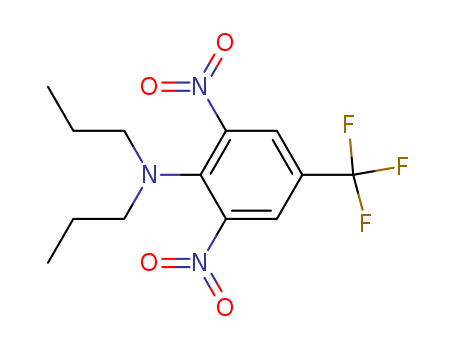
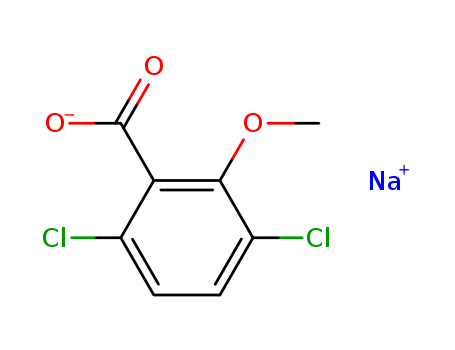
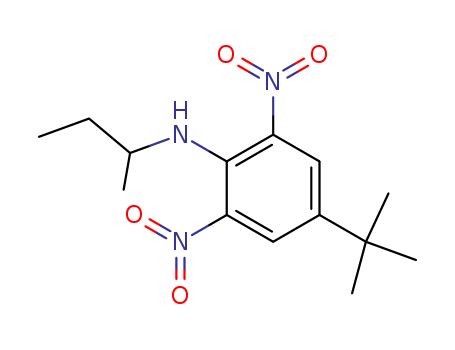
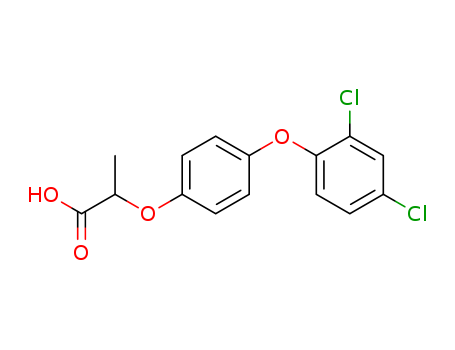
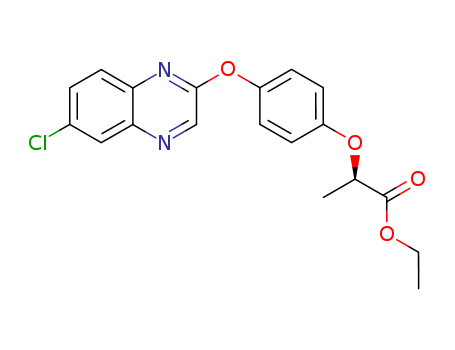
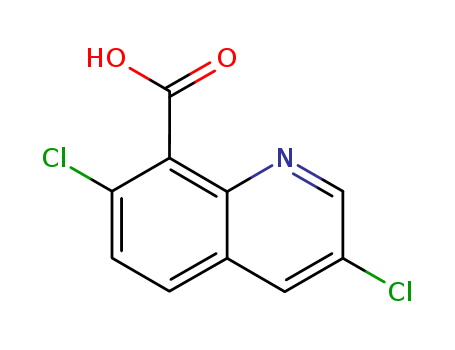
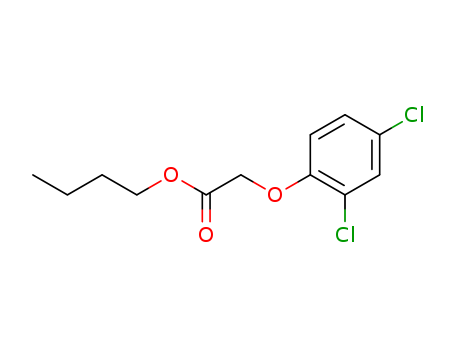
Benzene herbicides, also known as benzene-based herbicides, are a category of chemical compounds that contain benzene rings in their structure and are used primarily for weed control in agricultural and forestry applications. These herbicides typically interfere with essential physiological processes in plants, leading to their growth inhibition or death. Benzene herbicides can act through various mechanisms, such as inhibiting photosynthesis, disrupting cell membrane integrity, or interfering with protein synthesis. Common examples of benzene herbicides include 2,4-D (2,4-dichlorophenoxyacetic acid) and MCPA (2-methyl-4-chlorophenoxyacetic acid). These herbicides are effective against broadleaf weeds while often being less harmful to grasses, making them selective in their action.
- Structure
- Product name
- CAS No.
- Molecular formula
- Inquiry
Total:8 Page 1 of 1 1