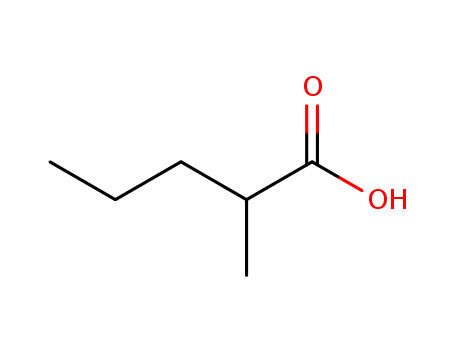
Carboxylic acids
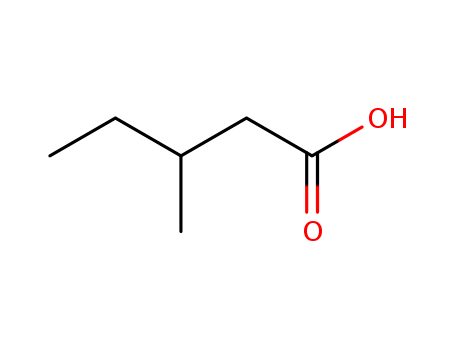
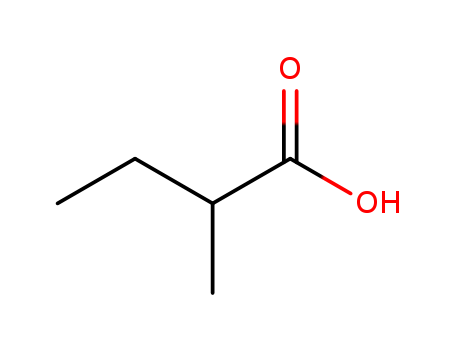
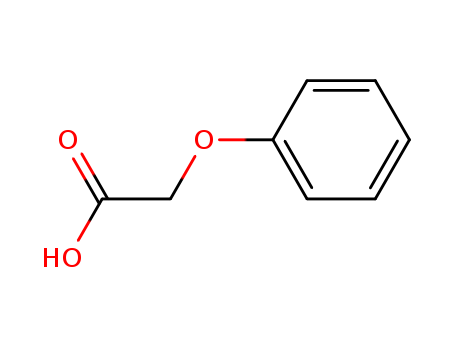
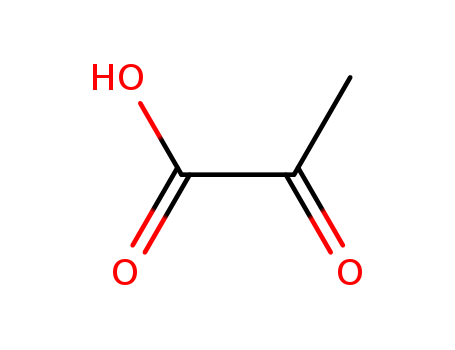
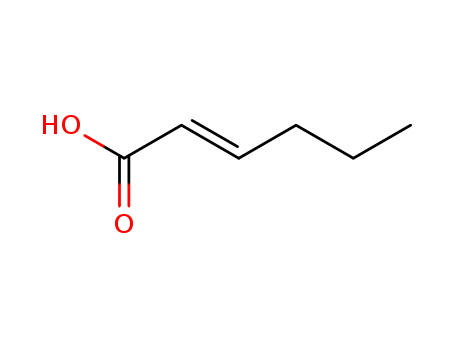
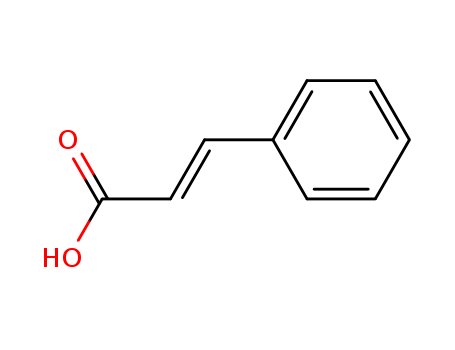
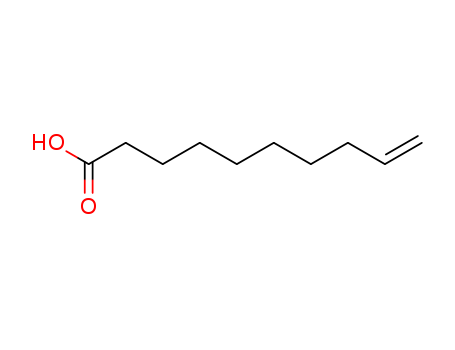
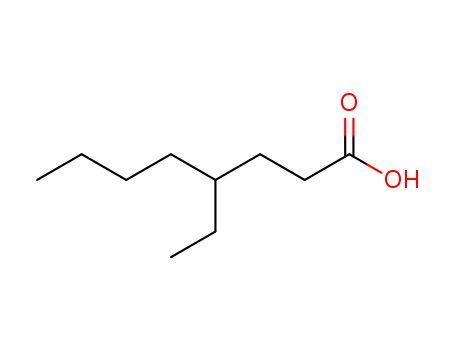
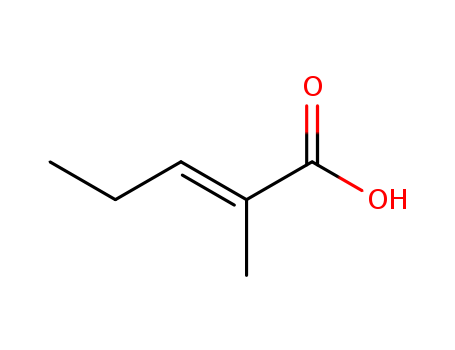
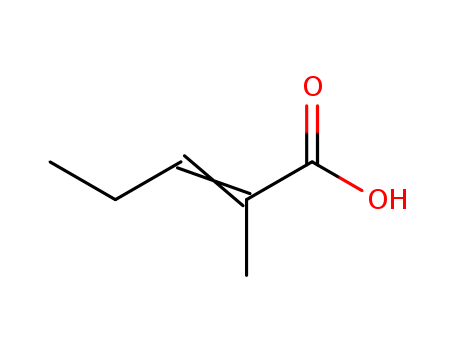
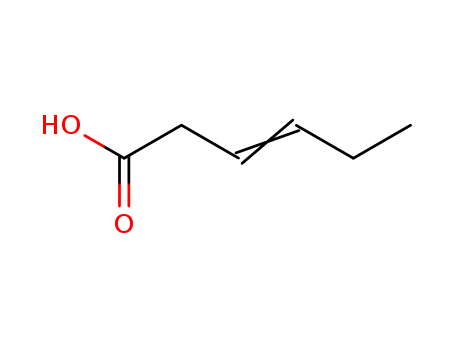
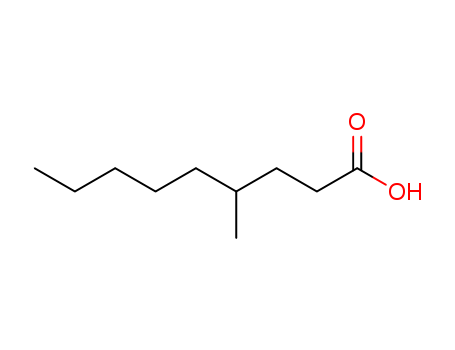
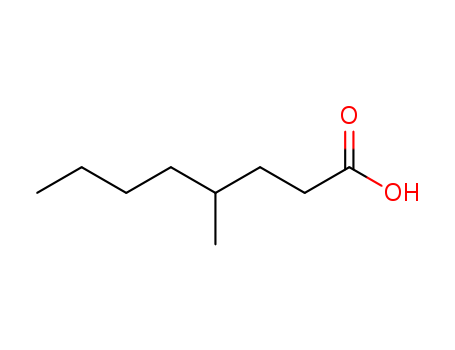
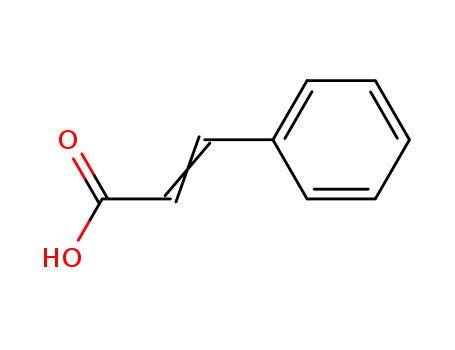
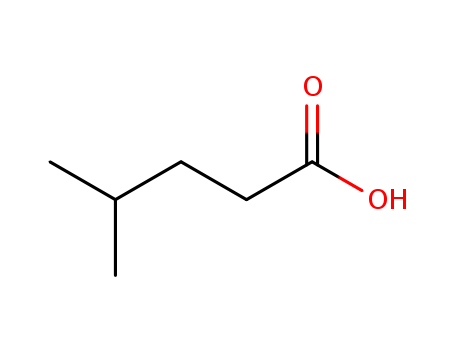
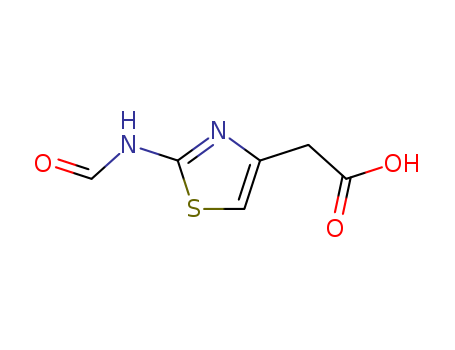
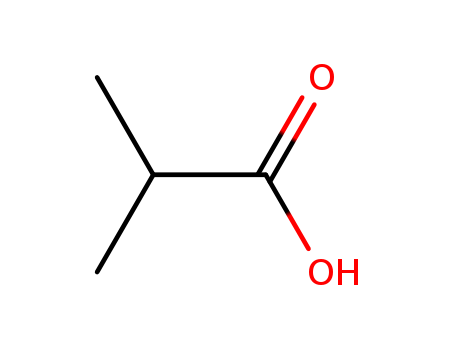
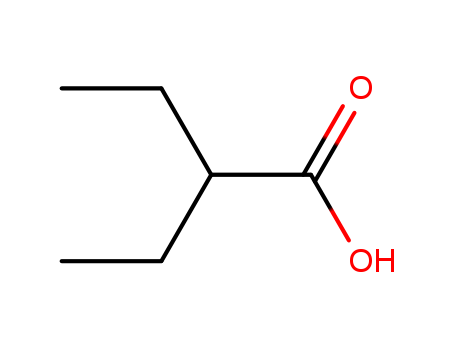
Carboxylic acids are a class of organic compounds characterized by the presence of a carboxyl group (-COOH), which consists of a carbonyl group (C=O) attached to a hydroxyl group (OH). This functional group imparts distinct chemical properties to carboxylic acids, including their ability to donate a proton (H+) and act as weak acids in aqueous solutions. Carboxylic acids are ubiquitous in nature and play crucial roles in various biological processes, such as in the citric acid cycle and fatty acid metabolism. They are also fundamental in industrial and synthetic chemistry, where they are used to produce esters, anhydrides, amides, and other derivatives through reactions like esterification and amidation. Common examples of carboxylic acids include acetic acid (found in vinegar), citric acid (in citrus fruits), and fatty acids (components of fats and oils).
- Structure
- Product name
- CAS No.
- Molecular formula
- Inquiry
Total:21 Page 1 of 1 1