
Crystal Growth and Design p. 2605 - 2617 (2016)
Update date:2022-08-11
Topics:
 Surov, Artem O.
Voronin, Alexander P.
Simagina, Anna A.
Churakov, Andrei V.
Perlovich, German L.
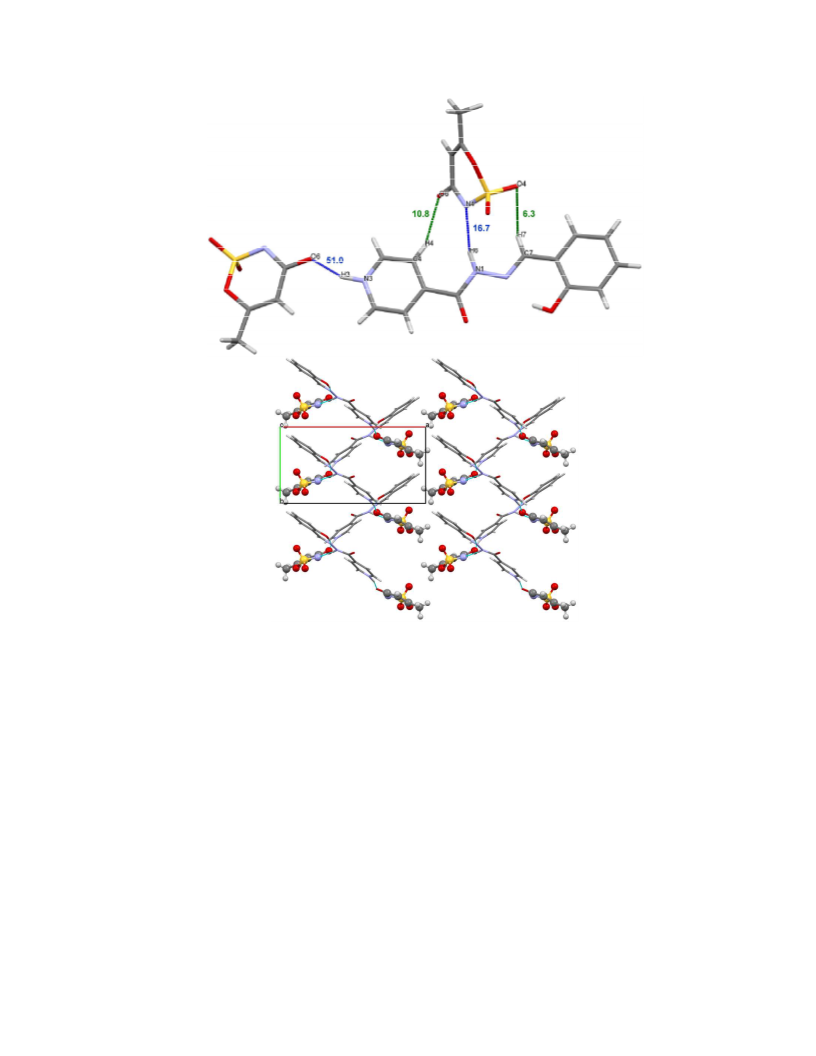
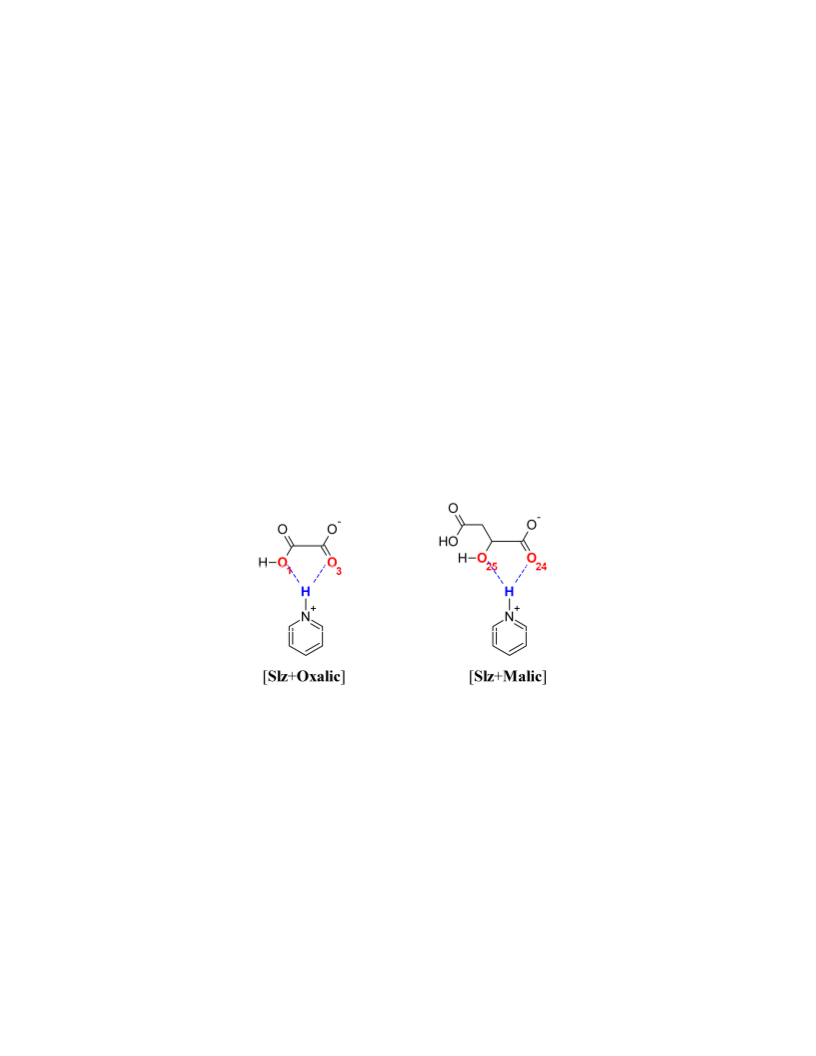
The crystal structures of salts of the active pharmaceutical ingredient (API) called salinazid with dicarboxylic acids and acesulfame were determined by single-crystal X-ray diffraction method. The crystals contain hydrogen bond motifs of different structure and complexity, the energies of which were estimated by using the quantum theory of atoms in molecules and crystals (QTAIMC) methodology. It was found that the driving force for facile the oxalate and malate salts formation is the bifurcated N+-H···O- and N+-H···O hydrogen bond synthon, while salinazid malonate is mainly stabilized via a "classic" pyridinium-carboxylate heterosynthon. The oxalate and acesulfame salts of salinazid were found to be stable during aqueous dissolution experiments, providing a substantial solubility improvement compared to pure API (33 and 18 times, respectively). However, the malonate and malate salts dissolved incongruently and rapidly underwent a solution-mediated transformation to form pure salinazid. Based on the solubility data of the stable salts and of the pure components, the Gibbs free energy of the salts formation were calculated to be -21.2 kJ·mol-1 for salinazid oxalate and -22.6 kJ·mol-1 for salinazid acesulfame.
View More






Contact:+86-25-52346955
Address:199,JIANYE ROAD,NANJING,CHINA
A.M FOOD CHEMICAL CO., LIMITED
Contact:86-531-87100375
Address:20Floor,Bblock,1Building,pharma-valley,Jinan,China
Contact:+86 021-51698675
Address:1701, Jielong Plaza, No.618 Pingliang Rd, ShangHai,China
Shanghai Taibao Pharmaceutical Technology Co., Ltd(expird)
Contact:021-52217366
Address:shanghai
Shanghai Coupling Pharmaceutical R&D Co., Ltd.(expird)
Contact:+86 021 50106671
Address:403 Room No.4 Buiding, No. 526 Ruiqing Road, Shanghai Zhangjiang Hi-Tech Park
Doi:10.1007/s10562-010-0543-5
(2011)Doi:10.1055/s-0034-1378814
(2015)Doi:10.1039/jr9320001232
(1932)Doi:10.1002/kin.20828
(2014)Doi:10.1016/j.molstruc.2018.11.043
(2019)Doi:10.1021/ja306260b
(2012)
