AChR antagonist
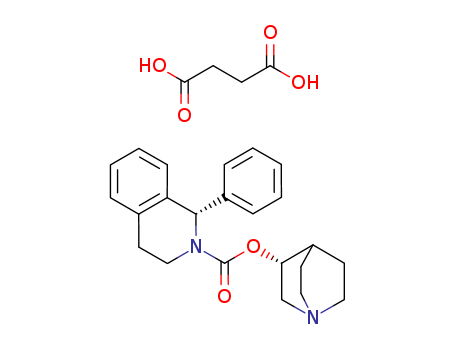
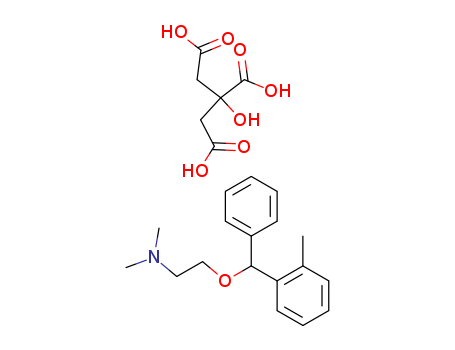
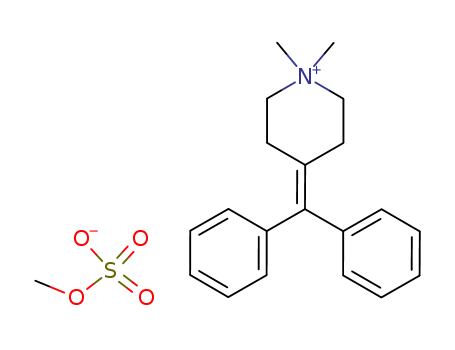
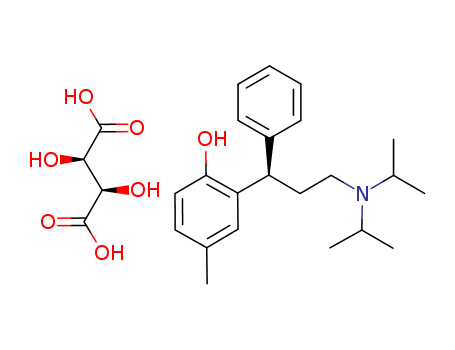
Acetylcholine receptor (AChR) antagonists are pharmacological agents that inhibit the action of acetylcholine (ACh) at its receptor sites in the nervous system and peripheral tissues. ACh receptors are broadly categorized into two types: muscarinic receptors (mAChRs) and nicotinic receptors (nAChRs). Antagonists block these receptors by binding to them without activating their signaling pathways, thereby preventing acetylcholine from binding and exerting its effects. This blockade can lead to a variety of physiological effects depending on the specific type of AChR antagonist used and the receptor subtype targeted. For example, muscarinic receptor antagonists like atropine are used to dilate pupils, treat bradycardia, and reduce secretions during anesthesia, while nicotinic receptor antagonists such as d-tubocurarine are used as neuromuscular blocking agents during surgeries to induce muscle relaxation. By competitively inhibiting acetylcholine binding, AChR antagonists modulate neurotransmitter activity and provide therapeutic options for conditions where acetylcholine-mediated responses need to be controlled or blocked.
- Structure
- Product name
- CAS No.
- Molecular formula
- Inquiry
Total:10 Page 1 of 1 1


![3-[(1R)-3-[Bis(1-methylethyl)amino]-1-phenylpropyl]-4-hydroxybenzenemethanol](http://file1.lookchem.com/cas/reactions/2021/05/25/8787174.png)