Refernces
10.1021/jm010801s
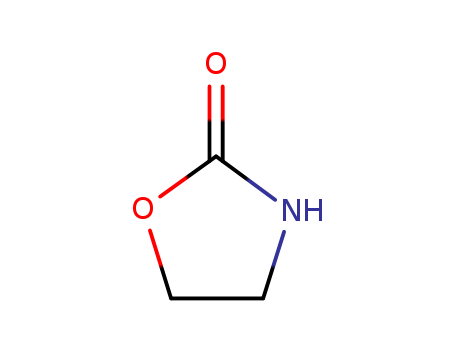
The research focuses on the development of novel non-covalent cathepsin K inhibitors, specifically arylaminoethyl amides, which are selective and potent. The study synthesized and evaluated a series of NR-benzyloxycarbonyl- and NR-acyl-L-leucine(2-phenylaminoethyl)amide derivatives for their inhibitory activity against cathepsins K, L, and S in both rabbit and human systems. The lead structure, NR-benzyloxycarbonyl-L-leucine(2-phenylaminoethyl)amide (1a), was optimized by investigating the effects of various substituents on the anilinophenyl ring, leading to the discovery of highly potent inhibitors like 4b, 4e, and 4g with IC50 values below 0.006 μM. The experiments involved the decarboxylative ring opening of oxazolidin-2-one with an aromatic amine to synthesize 2-aminoethylanilines, followed by coupling with Z-Leu-OSu to form NR-Z-protected amides. Further optimization was achieved through catalytic hydrogenation and coupling with various carboxylic acids. The inhibitory activities were assessed using fluorescence assays, and the selectivity and potency of the compounds were determined. Kinetic studies, including determination of equilibrium constants and Lineweaver-Burk analysis, confirmed the competitive and reversible nature of the inhibitors. Noncovalent binding was further supported by 13C NMR spectroscopy. The research concluded with the identification of a new class of potent and selective cathepsin K inhibitors that do not rely on covalent interaction with the cysteine residue at the active site.
10.1021/jo0155254
The study focuses on the synthesis and application of a chiral formyl anion equivalent, specifically lithiated 4-isopropyl-3-(methylthiomethyl)-5,5-diphenyloxazolidin-2-one, for the enantioselective preparation of various chiral compounds, including 1,2-diols, 2-amino alcohols, 2-hydroxy esters, and 4-hydroxy-2-alkenoates. The researchers utilized a series of chemical reactions involving reagents such as BuLi (butyllithium) for lithiation, aldehydes, ketones, and imines for addition reactions, as well as protecting groups like MOMCl (chloromethyl methyl ether) and BnBr (benzyl bromide) for in situ protection of the formed OH groups. The purpose of these chemicals was to achieve selective formation of chiral centers in the target molecules, which are valuable in the synthesis of complex organic molecules and pharmaceuticals. The study also explored the scope and limitations of this new transformation and compared the performance of the chiral auxiliary used with other oxazolidinones of different substitution patterns.
10.1021/ol020229e
The research discusses the investigation of ketones containing N-aryl-substituted oxazolidinones for the asymmetric epoxidation of olefins, specifically cis-β-methylstyrene, styrene, and 1-phenylcyclohexene. The purpose of the study was to understand the electronic effects on the enantioselectivity of the epoxidation process and to identify factors that influence the interaction between the phenyl group of the olefin and the oxazolidinone of the catalyst. The researchers found that the introduction of electron-withdrawing groups onto the N-phenyl group of the catalyst enhanced the attractive interaction, leading to higher enantioselectivity.
10.1021/ol047877d
The article details the development of a highly stereoselective and efficient total synthesis of the natural product (+)-laurencin from the known oxazolidinone 5 in 15 steps. Key steps in the synthesis include an efficient internal alkylation to form oxocene 3 from 4 and a novel use of acetonitrile anion as a two-carbon acetaldehyde equivalent for direct synthesis of ketone 2 from r-alkoxy amide 3. The synthesis also involves the use of various chemicals such as allylic iodide A, methanol, DMAP, Dibal-H, N,N-dimethyl bromoacetamide, Hooz protocol reagents, KHMDS, lithium anion of acetonitrile, L-Selectride, Wittig reagent phosphorane B, acetic anhydride, DDQ, TBAF, and bromination reagents. These chemicals play crucial roles in the alkylation, reduction, nucleophilic addition, and other transformations necessary to achieve the final product (+)-laurencin, whose spectral characteristics and optical rotation match those of the natural product.
10.1021/ol060266w
The study reports the first total synthesis of (?)-xyloketal A, a C3-symmetric and biologically active natural product isolated from a mangrove fungus. The synthesis was achieved in one step from phloroglucinol (1,3,5-trihydroxybenzene) and (4R)-3-hydroxymethyl-2,4-dimethyl-4,5-dihydrofuran. The key step involved a boron trifluoride diethyl etherate-promoted triple electrophilic aromatic substitution reaction coupled to three bicyclic acetal formation reactions. The study also details the preparation of the chiral nonracemic alcohol precursor to (4R)-3-hydroxymethyl-2,4-dimethyl-4,5-dihydrofuran through a series of reactions starting from an oxazolidinone. The synthetic process demonstrated high diastereoselectivity, yielding a mixture of xyloketal A and its 2,6-epimer. The study highlights the potential of this synthetic method for the total synthesis of other members of the xyloketal family.
10.1016/j.ejmech.2009.11.009
The research aimed to develop new antibacterial compounds by synthesizing a series of N-alkylated derivatives of nitroimidazolyl oxazolidinones (6a–i) and evaluating their in-vitro antibacterial activities against various Gram-positive and Gram-negative bacteria. The study was prompted by the increasing resistance of bacteria to existing antibiotics like linezolid and the need for new effective agents. The key chemicals used included piperazine derivatives and various substituted nitroimidazoles, which were combined using different linkers to create the hybrid compounds. The most potent compound, 6a, exhibited an MIC of 0.097 mg/mL against Bacillus cereus MTCC 430, outperforming vancomycin and linezolid. Compounds 6a and 6f showed no toxicity towards mammalian cell L929. The study concluded that these novel oxazolidinone analogues demonstrated moderate to excellent antibacterial activity, with compound 6a being the most effective. The research highlights the potential of these hybrid structures as a new class of antibacterial agents and suggests further optimization for improved efficacy.
10.1021/ol300316a
The research explores the use of oxazolidinones as promoters in the Nazarov cyclization reaction, enabling the cyclization of typically resistant substrates under mild conditions. The study highlights the excellent regio- and torquoselective control exerted by oxazolidinones in both conventional and "interrupted" Nazarov reactions, leading to the formation of cyclopentanoid structures such as cyclopentenones and indenones. Key chemicals involved in the research include oxazolidinone-substituted Nazarov substrates synthesized from ynamides through various palladium-mediated coupling techniques, such as reductive coupling with acid chlorides and carbonylative couplings. The cyclization reactions were facilitated by methanesulfonic acid (MeSO3H) or triflic acid (TfOH) in nonpolar solvents like dichloromethane or toluene. The oxazolidinone auxiliary was later cleaved using lithium naphthalenide (LiNp) or SmI2, yielding the desired products with good yield and enantiomeric excess.


 Xn,
Xn, Xi
Xi


