10.1039/b810988e
The research focuses on the dynamic thermodynamic resolution of N-Boc-2-lithiopiperidine using chiral ligands, with the aim of enhancing the asymmetric synthesis of 2-substituted piperidines. The study explored the use of 26 chiral diamino-alkoxide ligands to achieve selectivities of up to 85:15 for the enantiomers of the organolithium compound. Key chemicals used in the process include N-Boc-piperidine, sec-butyllithium, TMEDA (tetramethylethylenediamine), and a variety of chiral ligands. The researchers found that certain ligands, particularly those derived from isoleucine and with a branched (iPr) substituent alpha to the nitrogen atom, significantly improved selectivity.
10.1080/00397910903051259
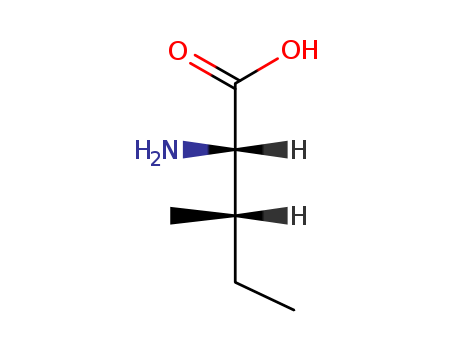
The research explores the synthesis of N-phenyl methyl esters of various amino acids using diphenyliodonium bromide as a key reagent. The study focuses on the efficient and selective N-phenylation of α-amino acids, including glycine, alanine, valine, leucine, isoleucine, phenylalanine, methionine, proline, serine, threonine, tyrosine, aspartic acid, and glutamic acid. The process involves converting the amino acids into their methyl ester hydrochloride salts, followed by neutralization to obtain free amines. These amines are then subjected to N-phenylation in the presence of diphenyliodonium bromide, silver nitrate, and a catalytic amount of copper bromide. The chiral integrity of the amino acids is maintained throughout the reactions, as confirmed by the synthesis of dipeptides for each N-phenyl amino acid. The structures of the new compounds are characterized using IR, 1H, and 13C NMR spectroscopy, as well as CHN microanalysis or high-resolution mass spectrometry. The study highlights the utility of diphenyliodonium bromide in the synthesis of N-phenylated amino acids, demonstrating good to excellent yields and maintaining the chirality of the starting amino acids.


 Xn
Xn


