Organic aluminum
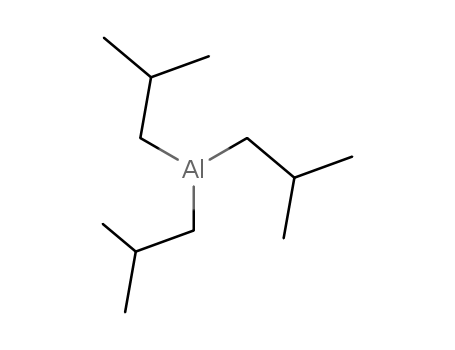
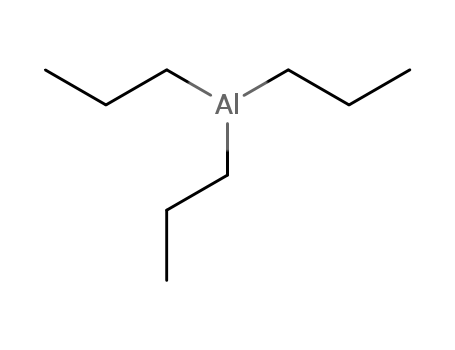
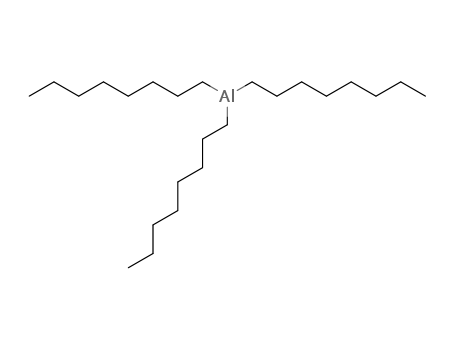
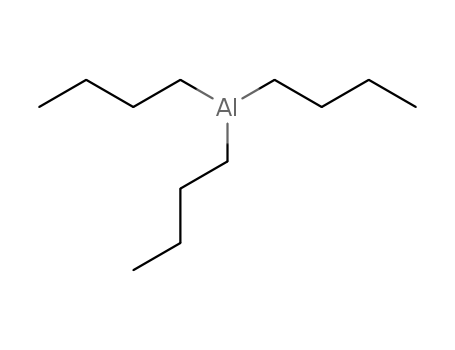
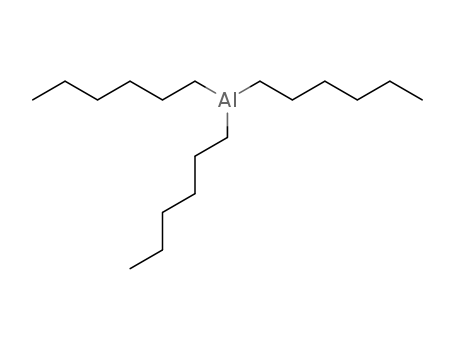
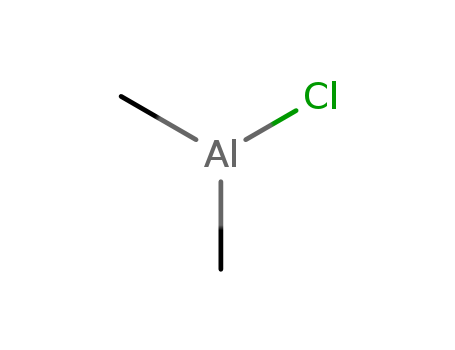
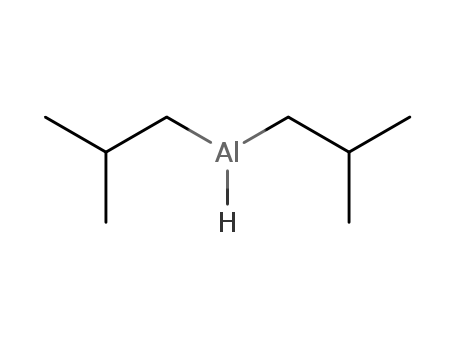
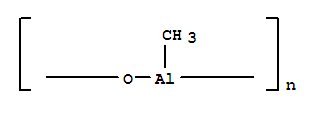
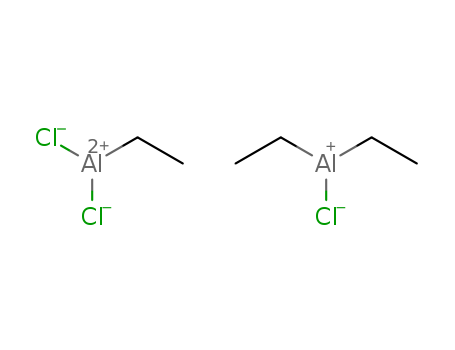
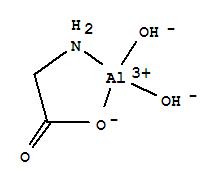
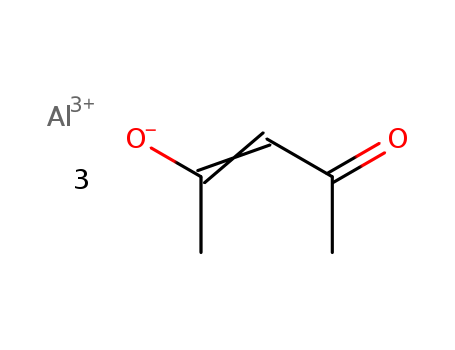
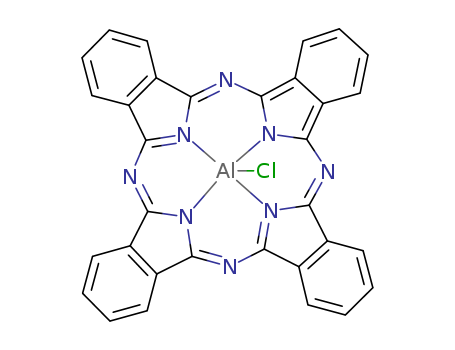
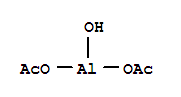
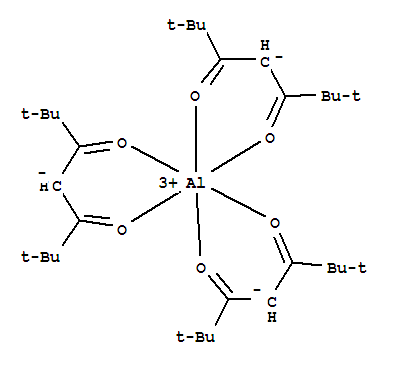
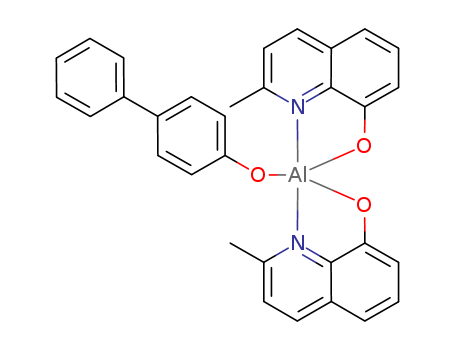
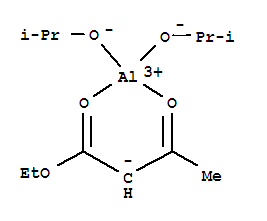
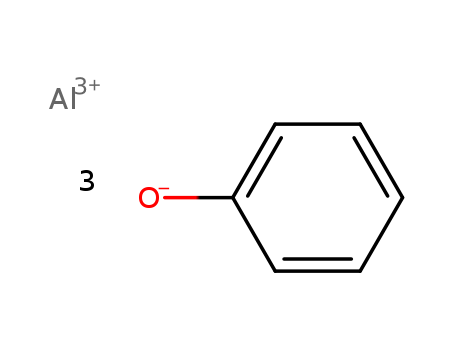
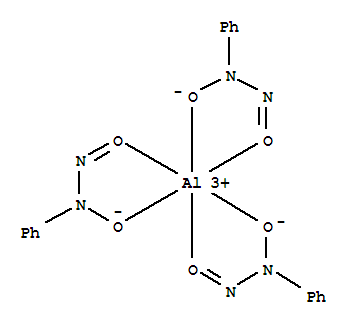
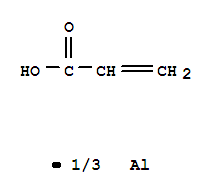
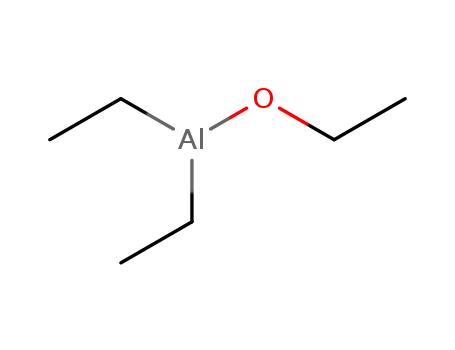
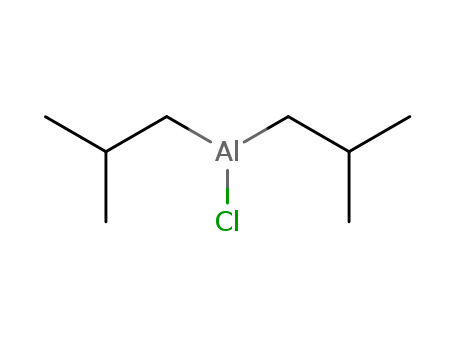
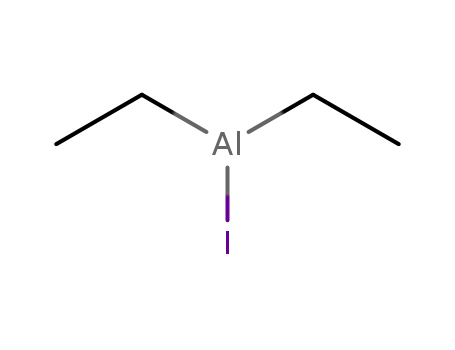
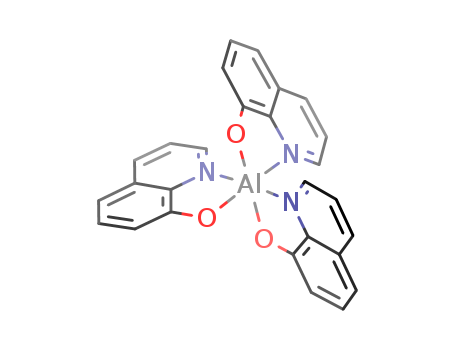
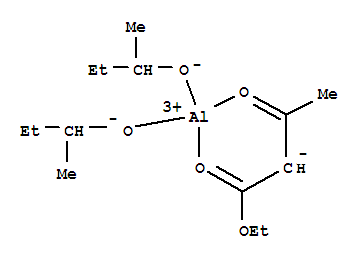
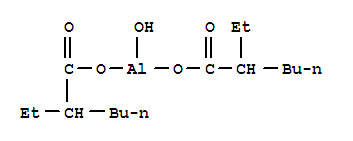
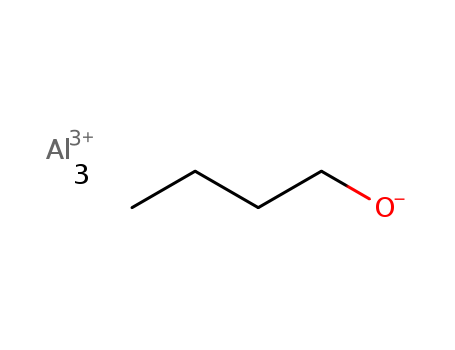
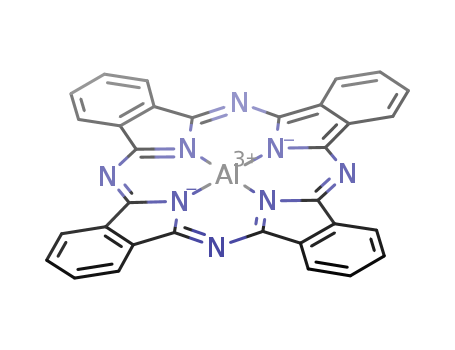
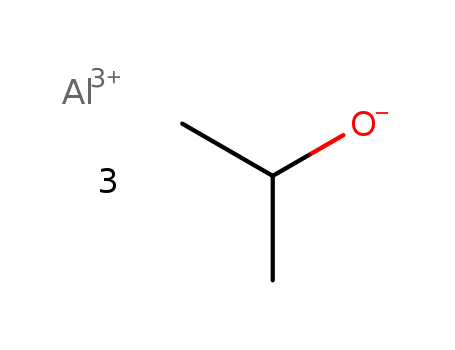
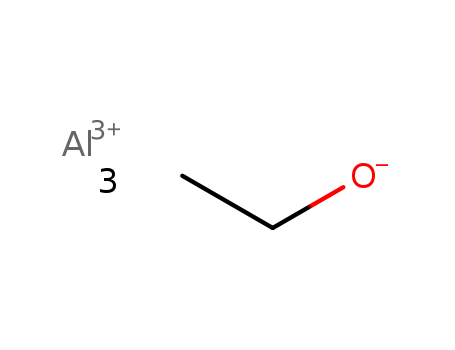
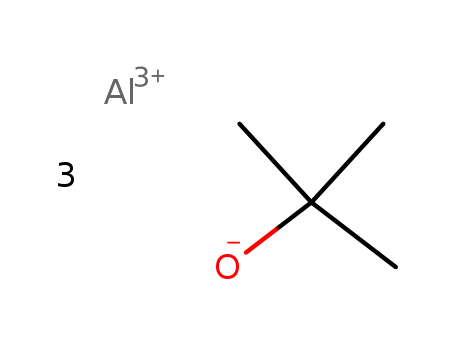
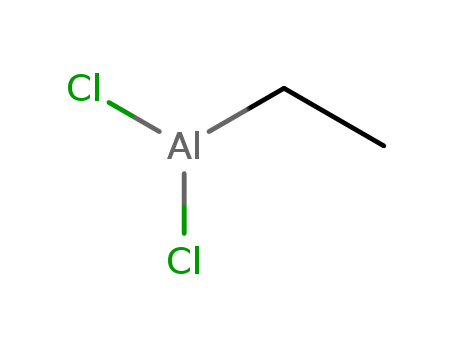
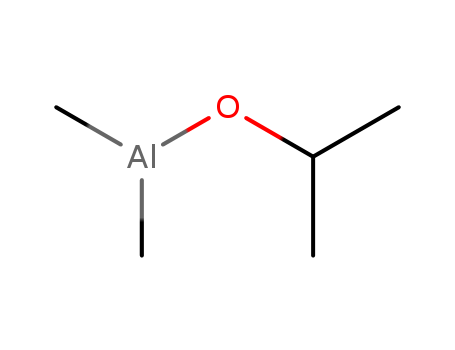
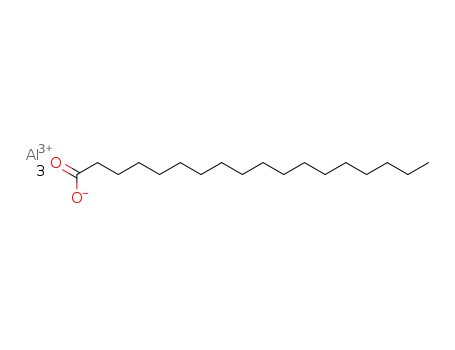
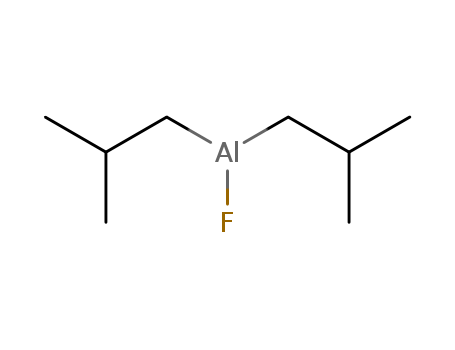
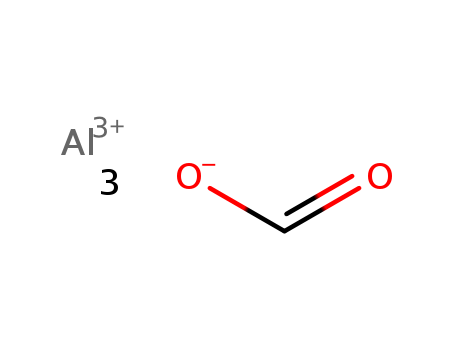
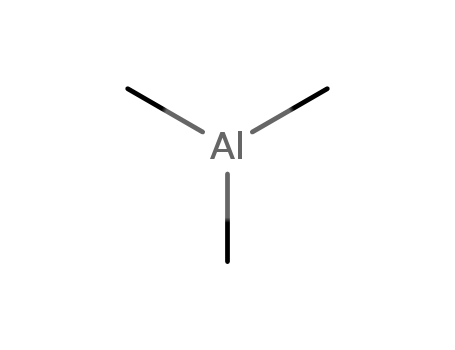
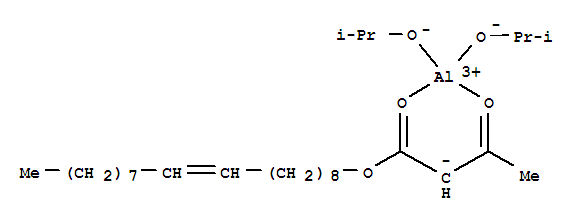
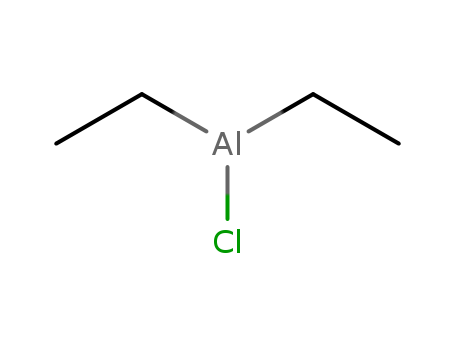
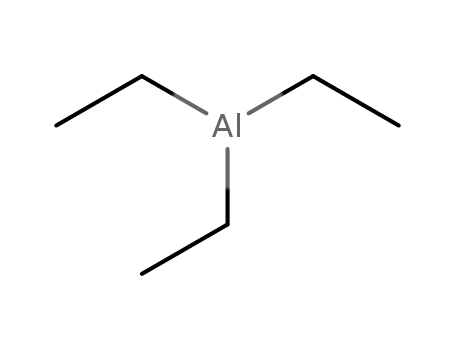
Organic aluminum compounds, also known as organoaluminum compounds, are organometallic compounds featuring a bond between aluminum and carbon atoms from organic groups. These compounds are highly reactive and serve as important reagents and catalysts in organic synthesis and industrial chemistry. They are widely used in processes such as the Ziegler-Natta polymerization for producing polyethylene and polypropylene, as well as in alkylation and hydride transfer reactions. Due to their high reactivity, organic aluminum compounds are typically handled under inert conditions to prevent reactions with moisture and air. Common examples include triethylaluminum (Al(C2H5)3) and diisobutylaluminum hydride (DIBAL-H), both of which are extensively utilized in various chemical transformations.
- Structure
- Product name
- CAS No.
- Molecular formula
- Inquiry
Total:47 Page 1 of 1 1