Cyanide, hydroxide and hydrogen complexes
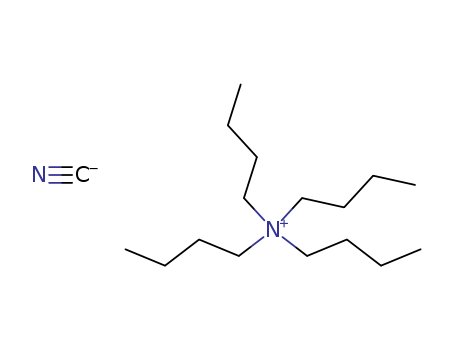
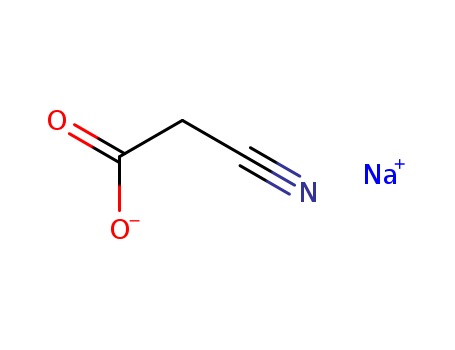
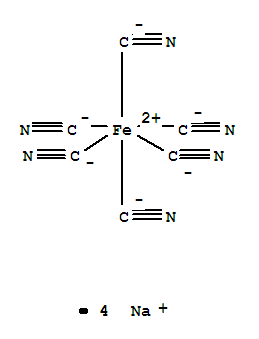
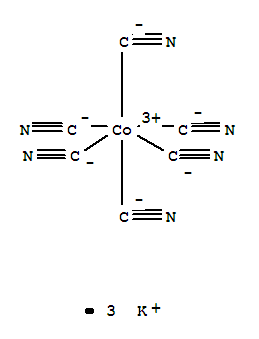
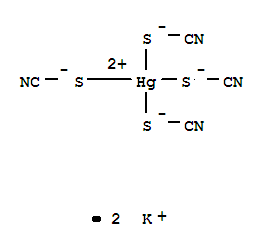
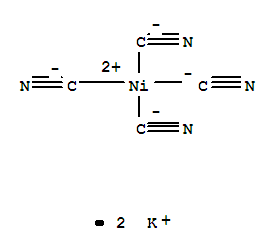
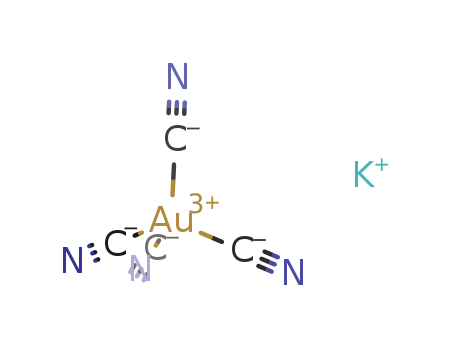
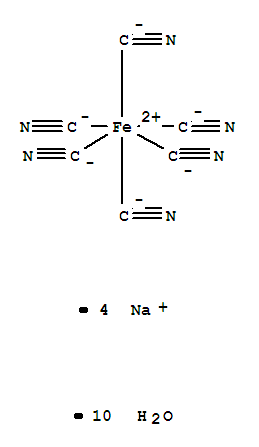
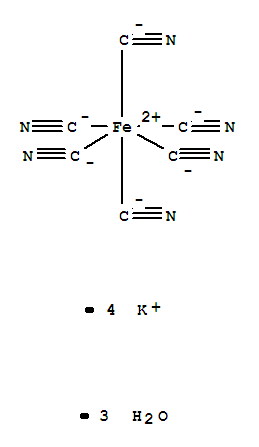
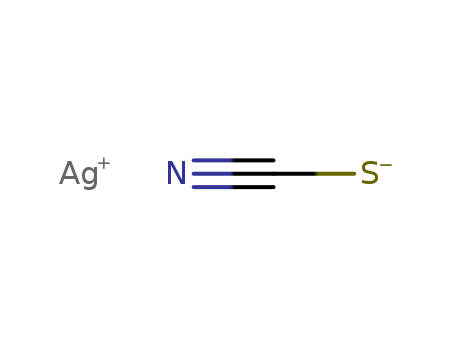
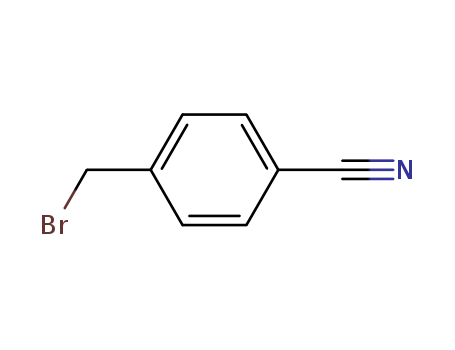
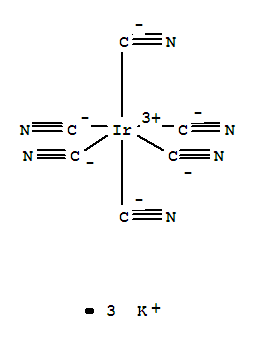
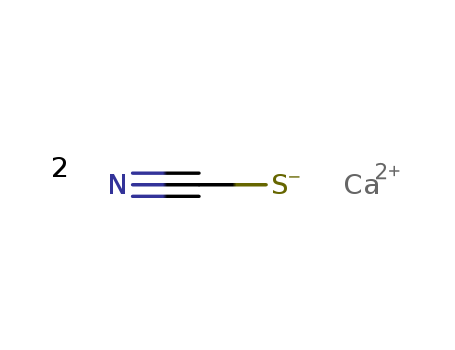
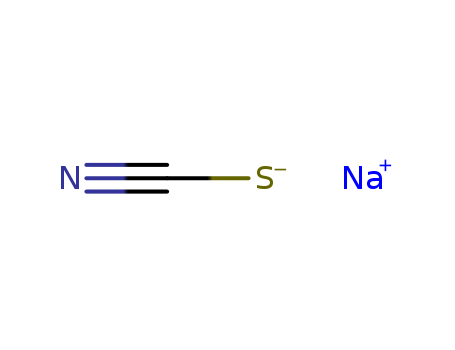
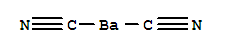
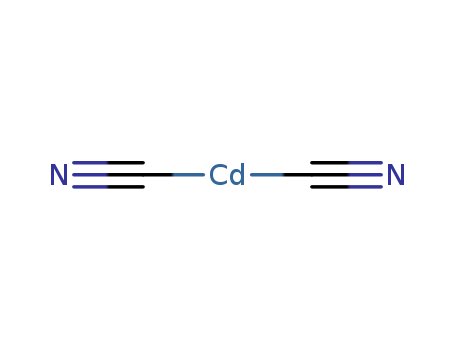
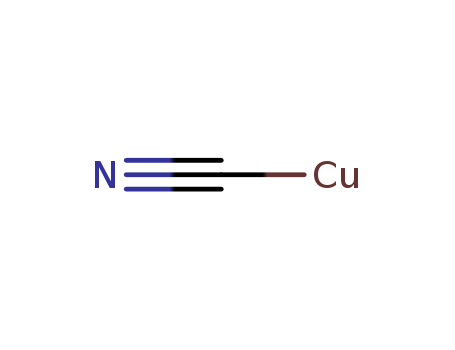
Cyanide, hydroxide, and hydrogen complexes represent distinct chemical entities with unique properties and applications. Cyanide refers to compounds containing the cyanide ion (CN-), composed of carbon and nitrogen, known for its high toxicity due to its ability to inhibit cellular respiration by binding to cytochrome c oxidase in mitochondria. Cyanides are used in various industrial processes, including gold and silver mining, electroplating, and as chemical intermediates in organic synthesis. Hydroxide, on the other hand, refers to compounds containing the hydroxyl group (OH-), composed of oxygen and hydrogen. Hydroxides are typically strong bases and are crucial in many industrial processes, such as in the manufacture of soaps and detergents, water treatment, and as catalysts in organic reactions. Hydrogen complexes involve compounds where hydrogen is bonded to a metal or a metalloid, such as metal hydrides or complexes with transition metals.
- Structure
- Product name
- CAS No.
- Molecular formula
- Inquiry