Hydrides, nitrides, azides
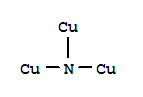
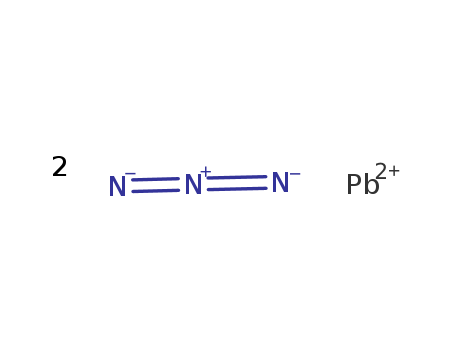
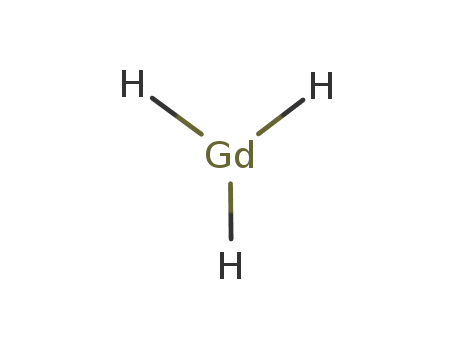
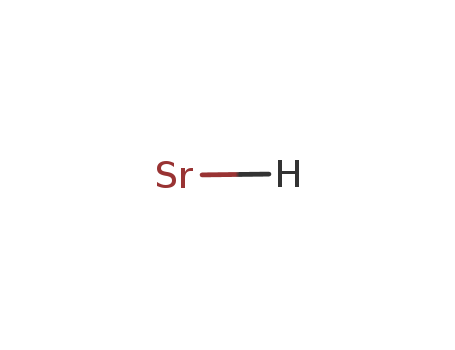
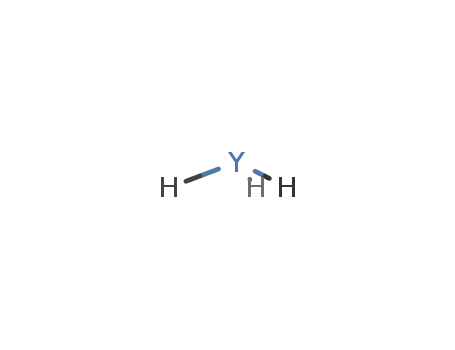
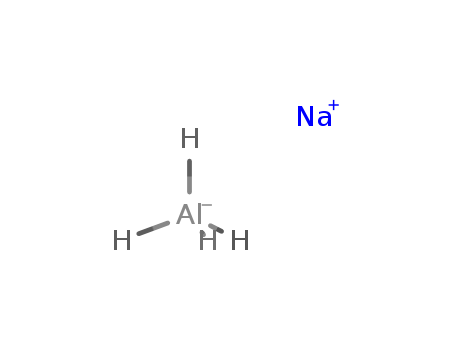
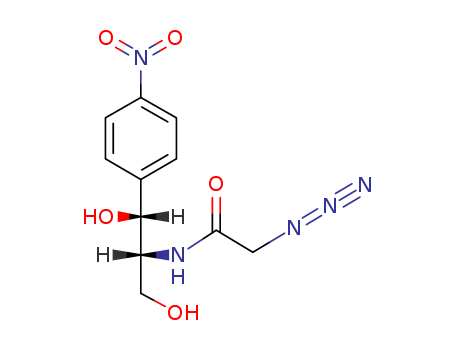
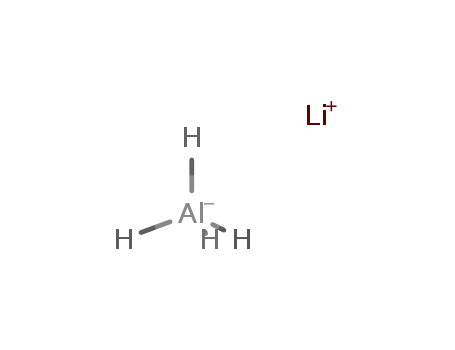
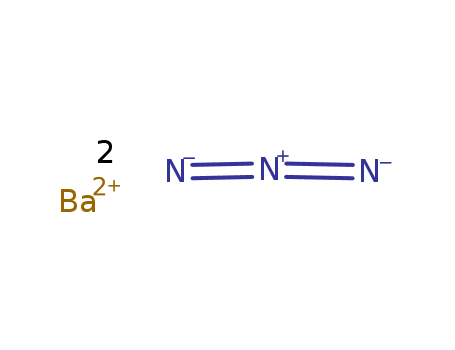
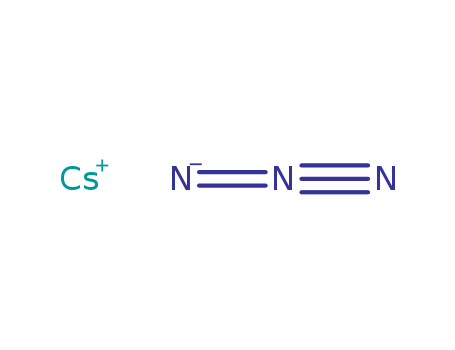
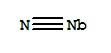
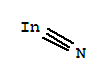
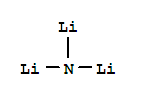
Hydrides, nitrides, and azides are chemical compounds characterized by their respective bonding with hydrogen (H), nitrogen (N), or the azide ion (N3-). Hydrides are compounds formed by the reaction of hydrogen with other elements or compounds, such as sodium hydride (NaH) or borane (BH3). They are known for their diverse reactivity, from serving as reducing agents in organic synthesis to being used in fuel cells and as hydrogen storage materials. Nitrides, such as aluminum nitride (AlN) and silicon nitride (Si3N4), are compounds where nitrogen is bonded to metals or nonmetals, often exhibiting high hardness, high thermal conductivity, and resistance to chemical corrosion. They are crucial in semiconductor manufacturing, ceramic materials, and as catalysts due to their unique electronic and thermal properties. Azides, like sodium azide (NaN3) or lead azide (Pb(N3)2), contain the azide ion (N3-), known for its explosive properties. Azides are used in airbag inflators, propellants, and organic synthesis due to their decomposition to produce nitrogen gas in controlled conditions.
- Structure
- Product name
- CAS No.
- Molecular formula
- Inquiry