Biological Dyes
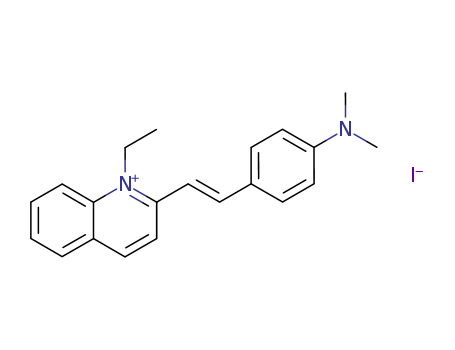
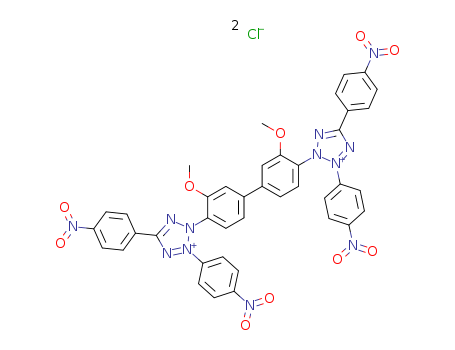
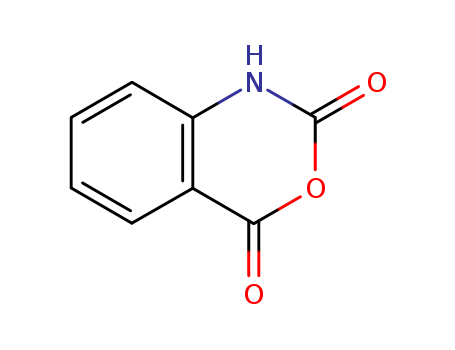
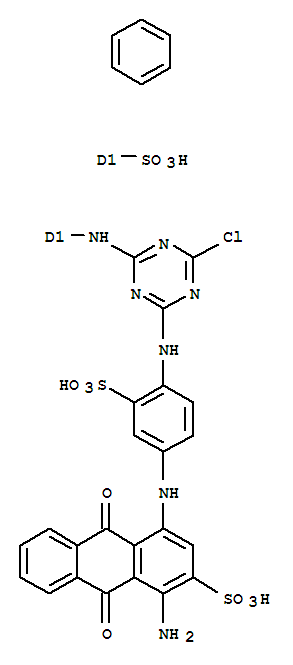
Biological dyes refer to a diverse group of compounds that are utilized to stain biological specimens for microscopic examination and analysis. These dyes typically possess specific chemical properties that allow them to selectively bind to cellular structures, tissues, or biomolecules, aiding in visualization under a microscope. Biological dyes can be classified into various categories based on their chemical structure and staining properties, such as acidic dyes, basic dyes, and neutral dyes. Acidic dyes are negatively charged and commonly stain basic structures like nuclei, while basic dyes are positively charged and stain acidic components like cytoplasm. Neutral dyes, on the other hand, do not ionize and may selectively stain specific cellular components based on their affinity. Biological dyes play a crucial role in histology, cytology, and microbiology, enabling scientists and researchers to observe and study cellular morphology, structure-function relationships, and pathological changes in tissues. Their application extends to medical diagnostics, where they aid in identifying disease markers and understanding cellular processes at a microscopic level.
- Structure
- Product name
- CAS No.
- Molecular formula
- Inquiry


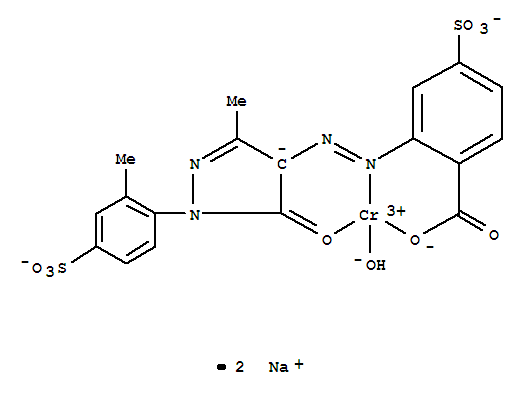
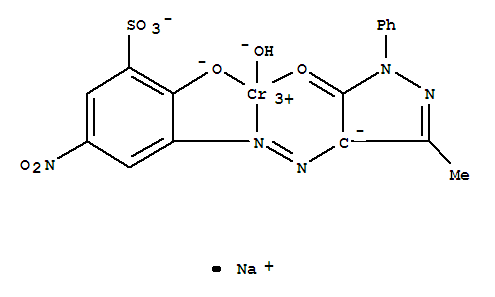

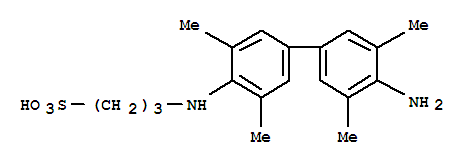


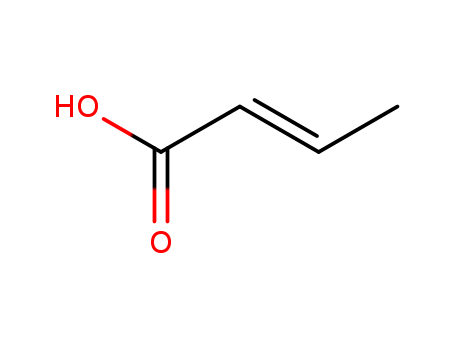
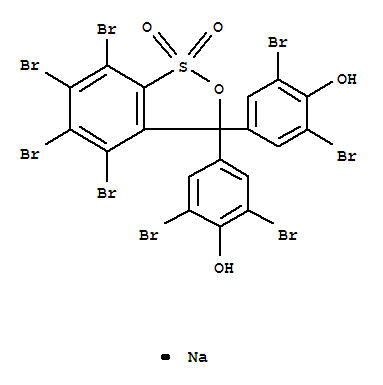
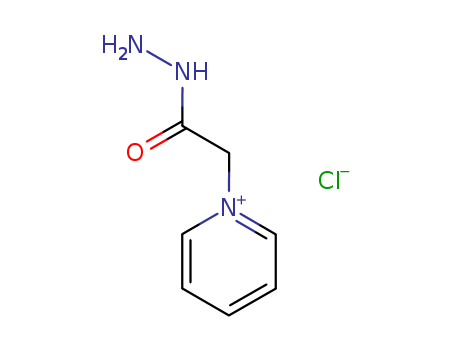
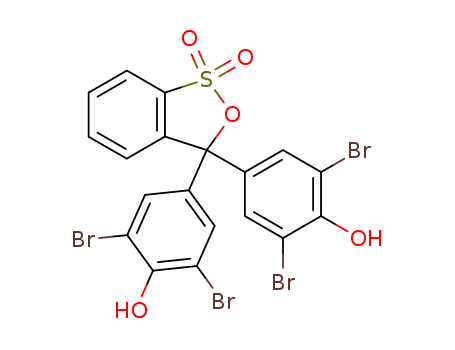
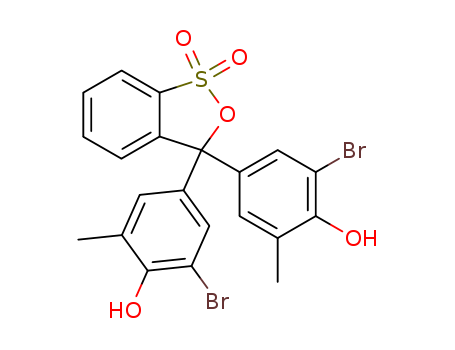

![sodium 2-[(2-hydroxynaphthyl)azo]naphthalenesulphonate](http://file1.lookchem.com/300w/synthetic/2022-02-01-11/dde6947f-53f2-40b8-a63f-df98b2f4d4d2.png)






![[7-hydroxy-8-[(4-sulpho-1-naphthyl)azo]naphthalene-1,3-disulphonato(3-)]aluminium](http://www.lookchem.com/300w/2010/0619/15876-47-8.jpg)


![Sodium 5-[(4-nitrophenyl)azo]salicylate](http://www.lookchem.com/300w/2010/0619/1718-34-9.jpg)