Imide, amidine
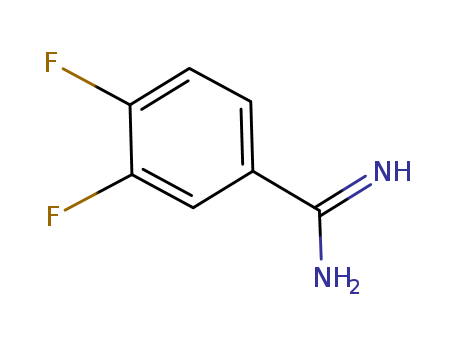
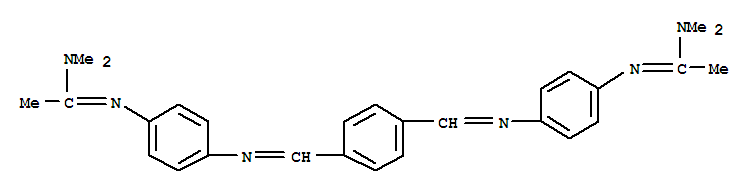
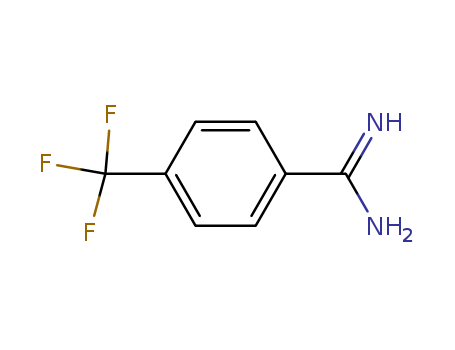
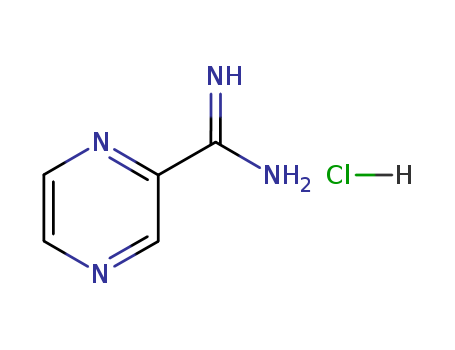
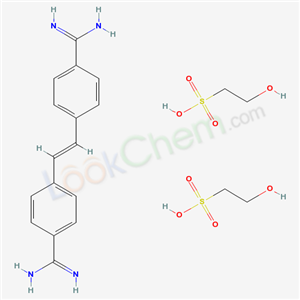
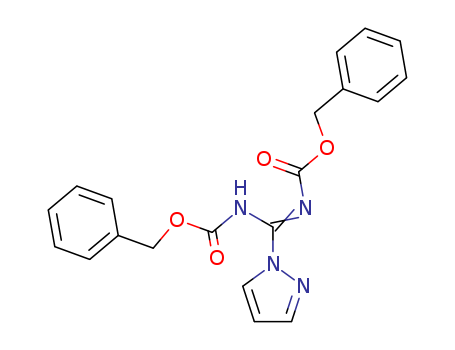
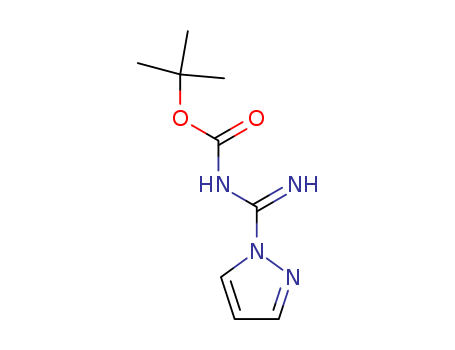
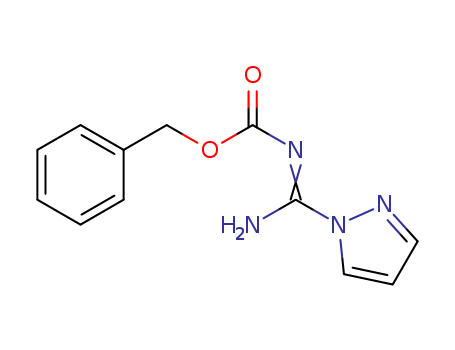
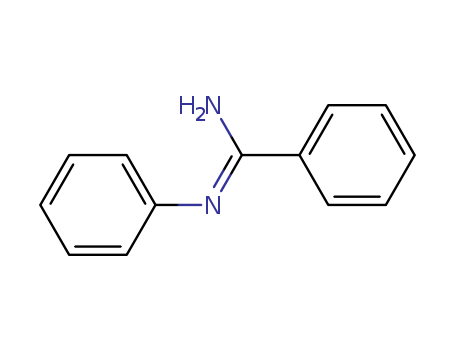
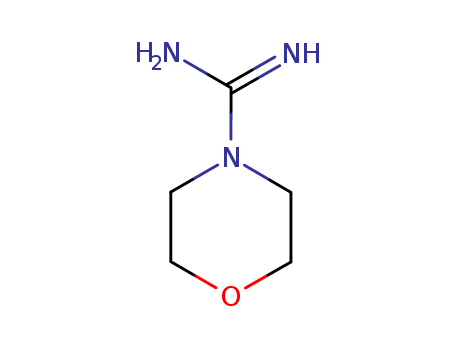
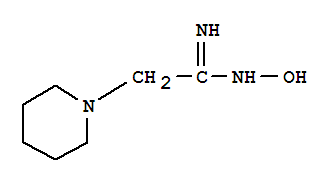
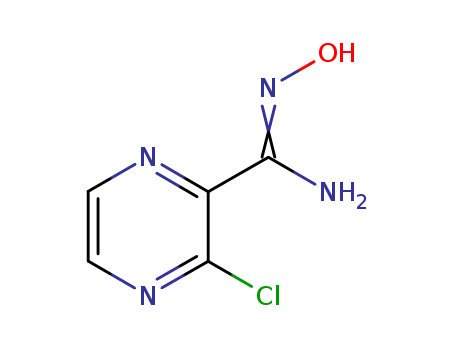
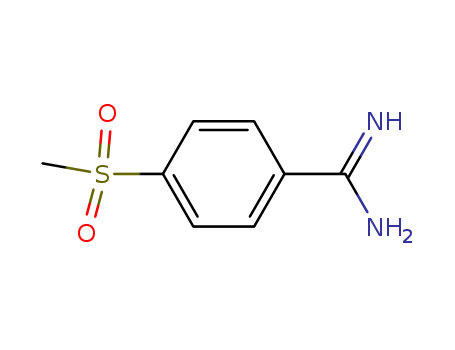
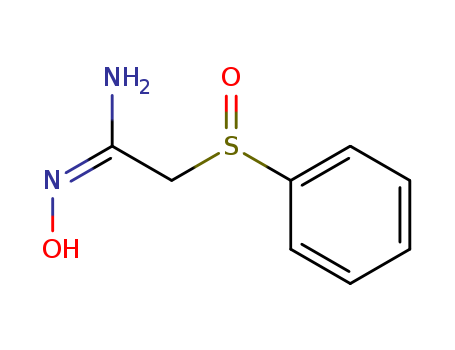
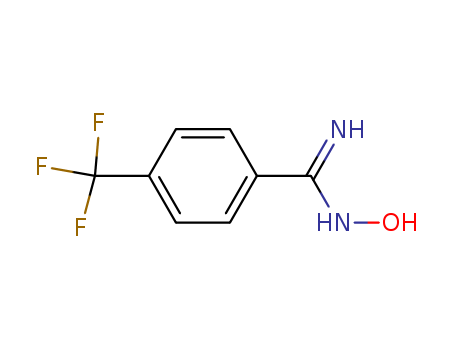
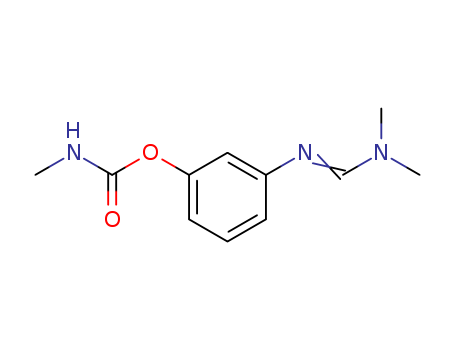
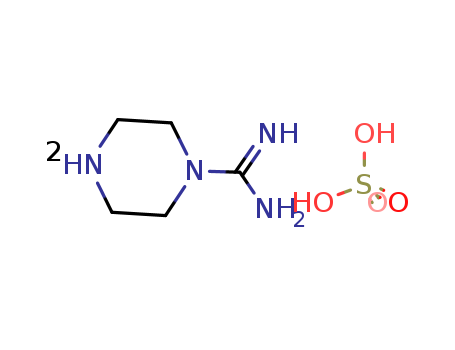
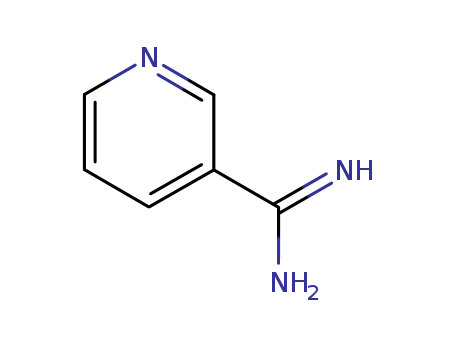
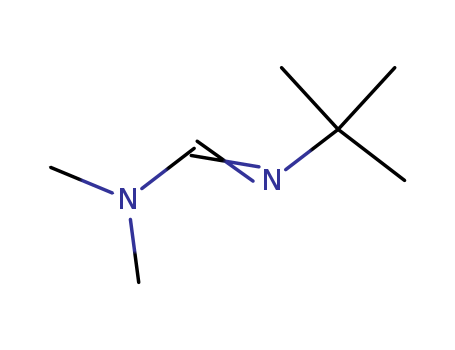
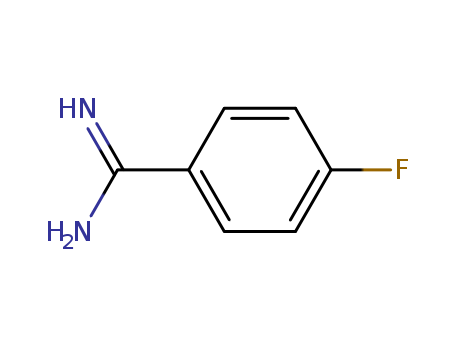
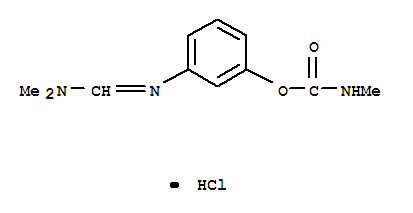
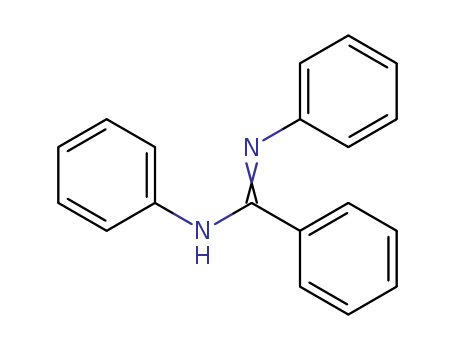
An imide is a functional group characterized by a carbonyl group (C=O) bonded to two nitrogen atoms, where one nitrogen is doubly bonded to the carbonyl carbon, and the other is singly bonded. Imides are derived from the condensation reaction between a carboxylic acid and an amine, resulting in the loss of water and the formation of an internal cyclic structure containing the C=O-N(R)-C(R')=O motif. Imides can exist in both cyclic and acyclic forms, with cyclic imides being particularly stable due to the resonance stabilization of the carbonyl group and the nitrogen lone pairs. These compounds find extensive use in materials science, polymer chemistry, and pharmaceuticals due to their high thermal stability and chemical inertness. Amidines, on the other hand, are derivatives of ammonia (NH3) where one or more hydrogen atoms are replaced by alkyl or aryl groups, resulting in the general formula R-N=C(NR')R". Amidines are characterized by a C=N double bond adjacent to a NH group and exhibit basic properties due to the presence of the lone pair of electrons on the nitrogen atom. They are important in organic synthesis, acting as intermediates in the formation of heterocyclic compounds, pharmaceuticals, and agrochemicals, and they participate in various biochemical processes and interactions with biological targets.
- Structure
- Product name
- CAS No.
- Molecular formula
- Inquiry



![METHYL-(5-[N-METHYL-N-PHENYLAMINO]-2,4-PENTADIENYLIDENE)-PHENYLAMMONIUM CHLORIDE](http://file1.lookchem.com/300w/synthetic/2022-02-01-04/e9d76f70-960d-449b-a1d5-ea24d48a8326.png)


![[1-PHENYL-METHYLIDENE]-TRIMETHYLSILANYL-AMINE](http://file1.lookchem.com/cas/reactions/2021/06/23/2244870.png)

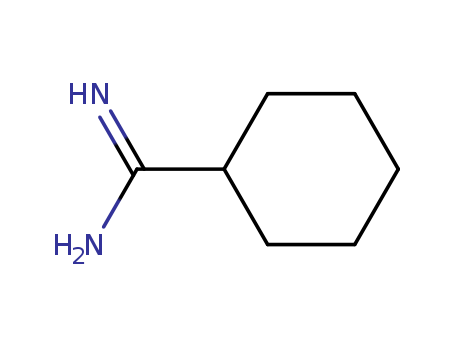

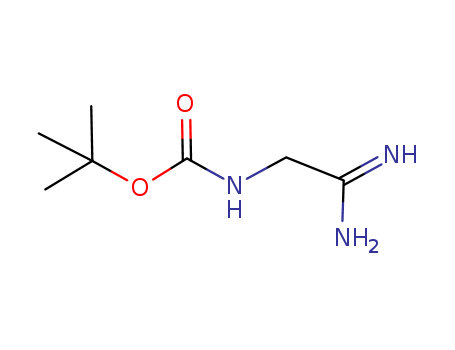
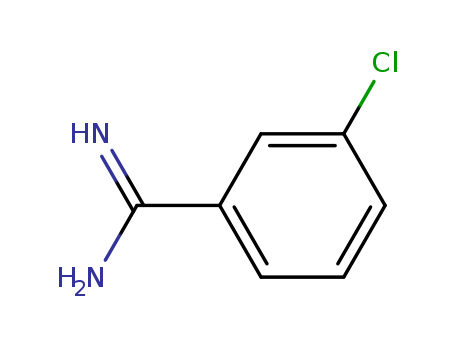
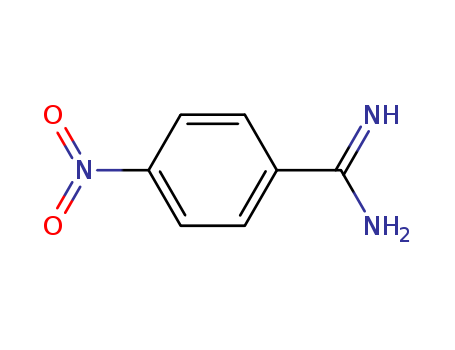
![2-[4-(1,3,4-OXADIAZOL-2-YL)PHENOXY]ACETAMIDOXIME](http://file1.lookchem.com/300w/substances/2022-03-13-01/56a1d0b6-4546-495f-87f7-b2c9b869160f.png)