Dihydroxypyrimidine
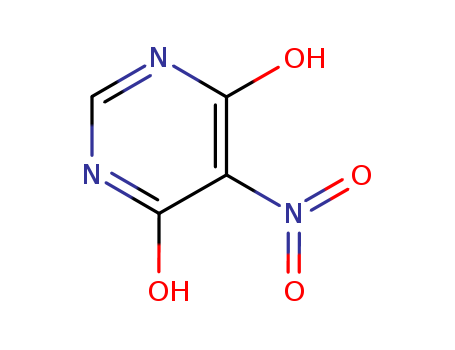
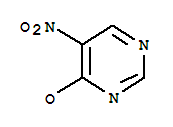
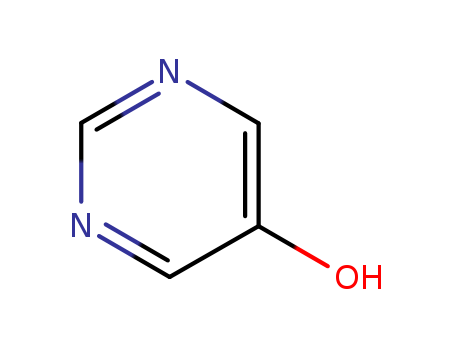
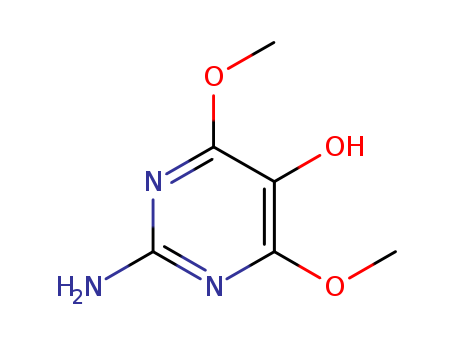
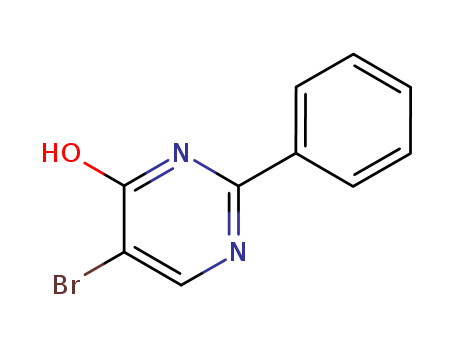
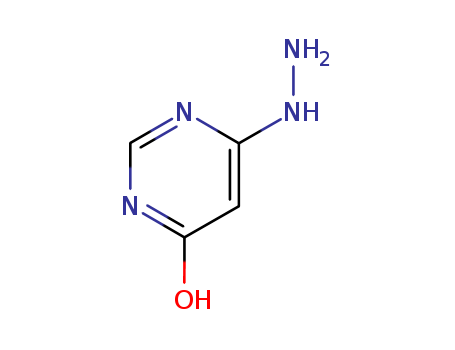
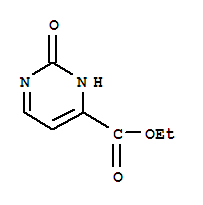
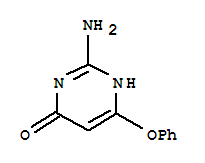
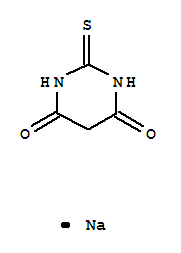
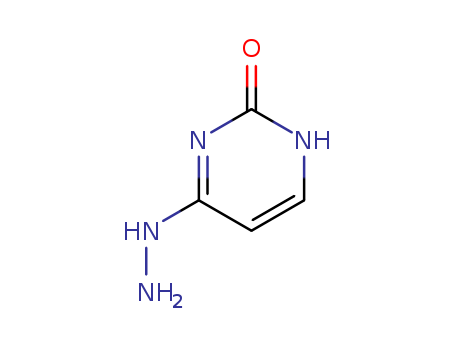
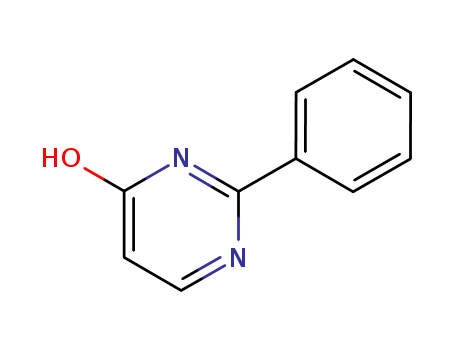
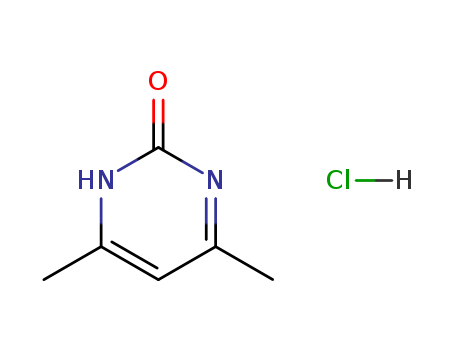
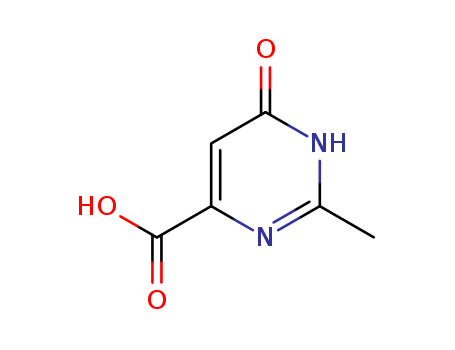
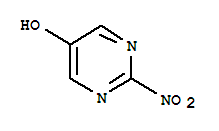
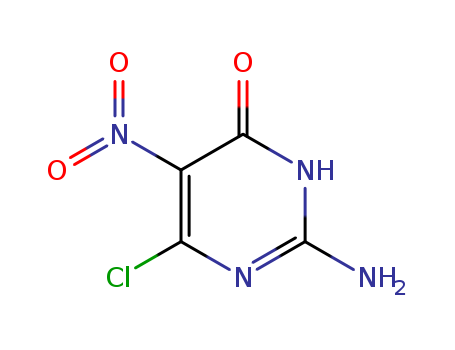
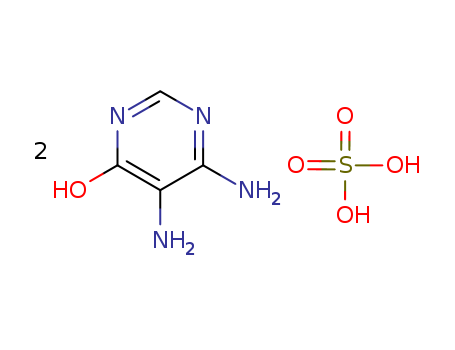
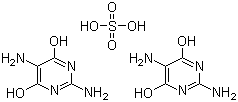
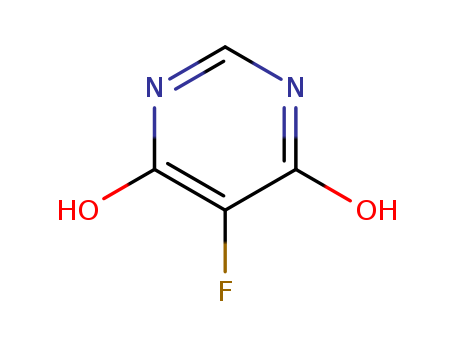
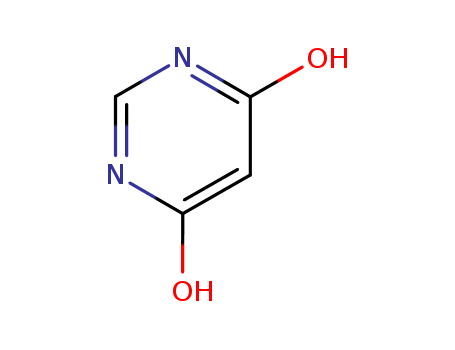
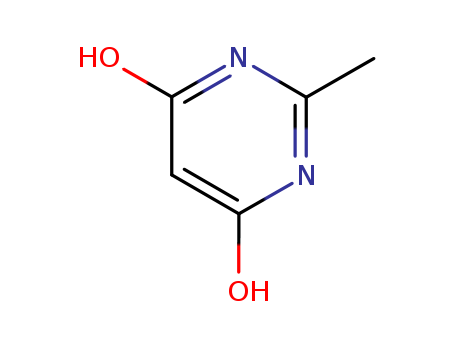
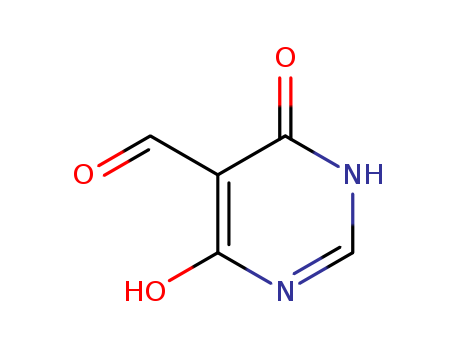
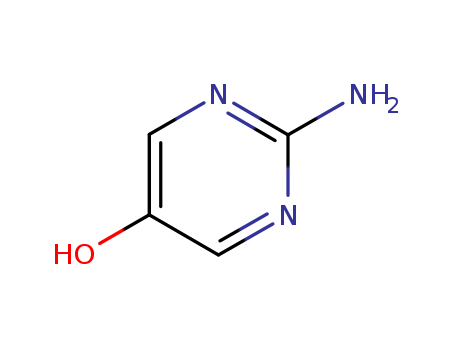
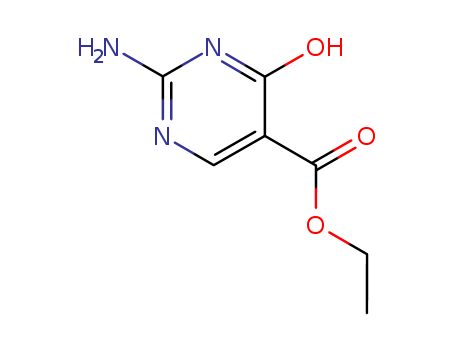
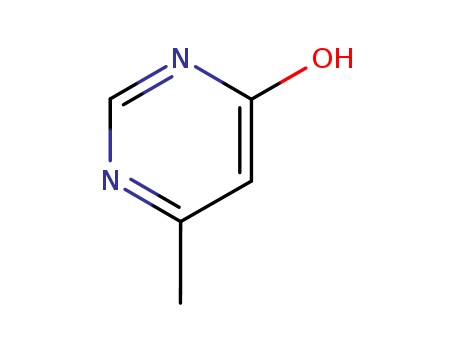
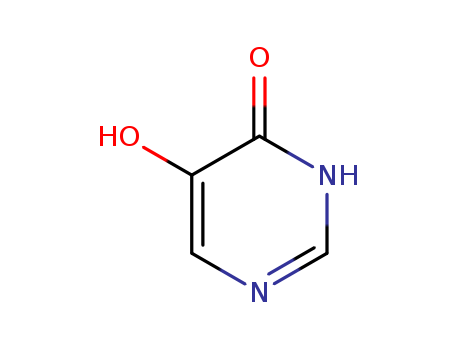
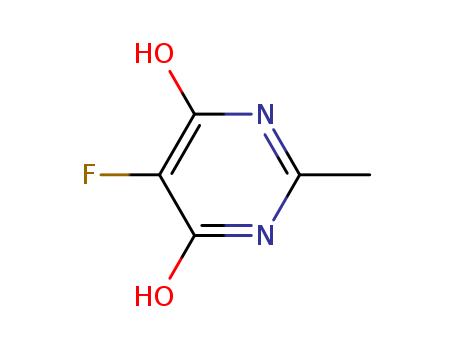
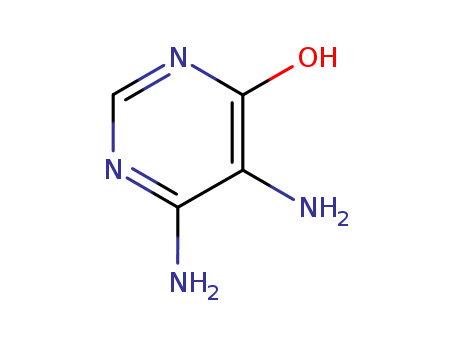
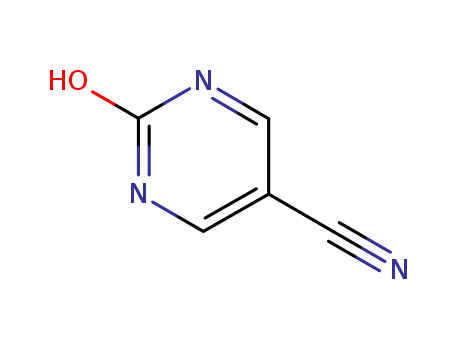
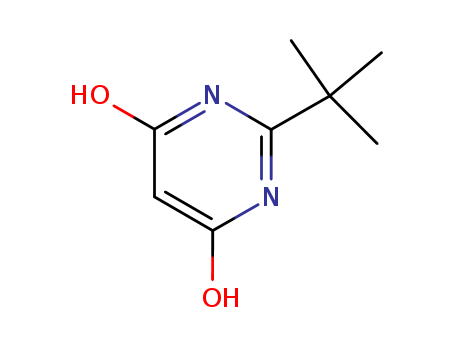
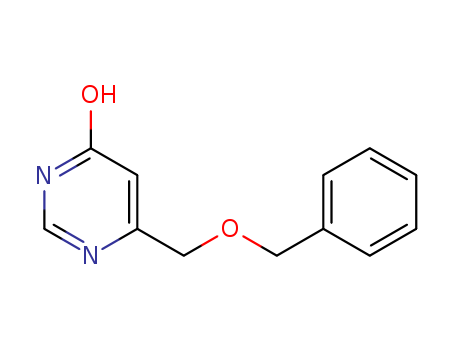
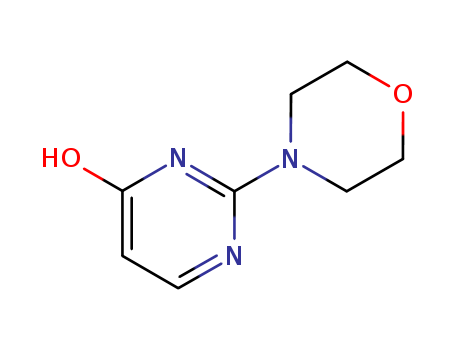
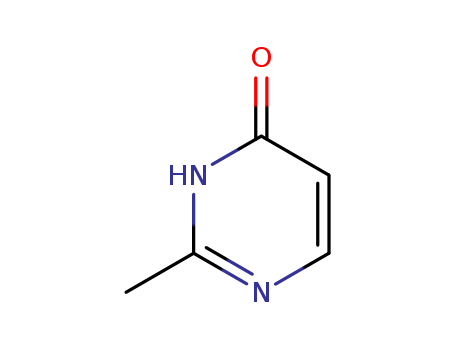
Dihydroxypyrimidine refers to organic compounds where two hydroxyl groups (-OH) are attached to a pyrimidine ring, a six-membered heterocyclic ring composed of two nitrogen atoms and four carbon atoms. The position of the hydroxyl groups on the pyrimidine ring determines the specific isomer, with common examples including 2,4-dihydroxypyrimidine, 2,5-dihydroxypyrimidine, and 4,6-dihydroxypyrimidine. These compounds are significant in organic synthesis and medicinal chemistry, playing roles as intermediates in the synthesis of pharmaceuticals and bioactive molecules. Dihydroxypyrimidines can exhibit enhanced water solubility and hydrogen bonding capabilities due to the presence of the hydroxyl groups, which can influence their biological activity and pharmacokinetic properties. They are utilized in pharmaceutical research for their potential therapeutic applications and in biochemical studies for their ability to interact with biological systems through hydrogen bonding and other interactions.
- Structure
- Product name
- CAS No.
- Molecular formula
- Inquiry


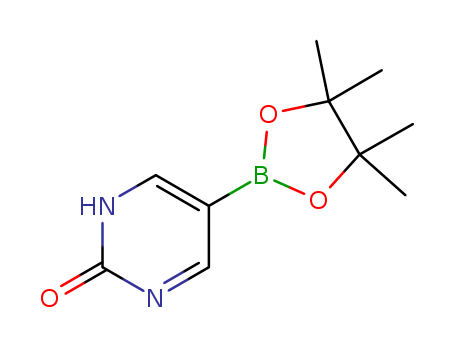
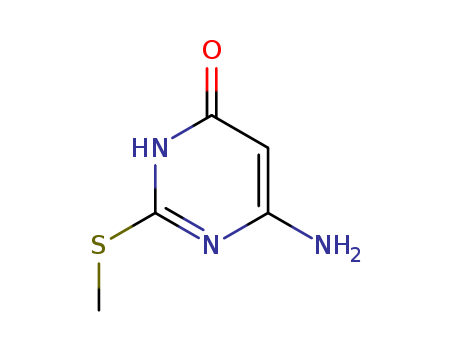
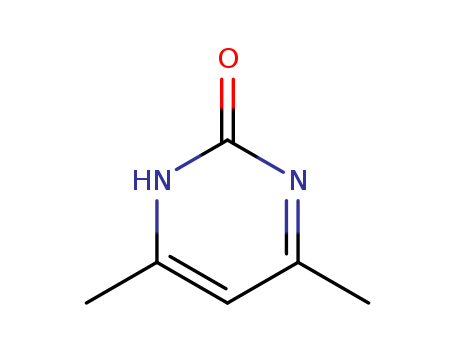
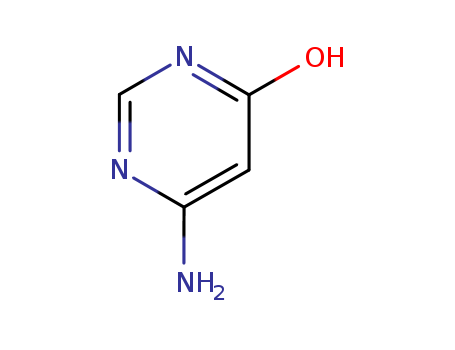

![7H-PYRAZOLO[4,3-D]PYRIMIDIN-7-ONE, 1,4-DIHYDRO-](http://file1.lookchem.com/300w/synthetic/2022-01-22-06/6880d7a6-592d-4e57-9a43-059130f5f0cd.png)
![2,4-Dihydroxythieno[2,3-d]pyrimidine](http://file1.lookchem.com/300w/substances/2022-02-17-11/e6912844-4fc4-4c4a-bd94-de81208c6863.png)
![4-N[2(4-HYDROXYPYRIMIDINYL)]AMINOBENZONITRILE](http://file1.lookchem.com/cas/reactions/2021/08/28/8907730.png)


![2-methylthieno[2,3-d]pyrimidin-4(3H)-one](http://file1.lookchem.com/300w/2011-12/66bd23c0-7d8c-4d8a-b2ea-4582390a5c9d.gif)