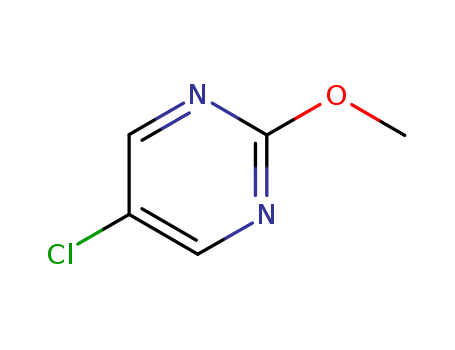
Methoxy-pyrimidine
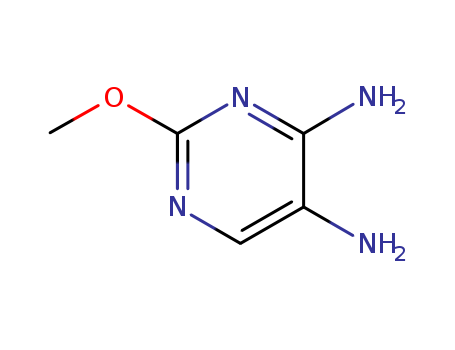
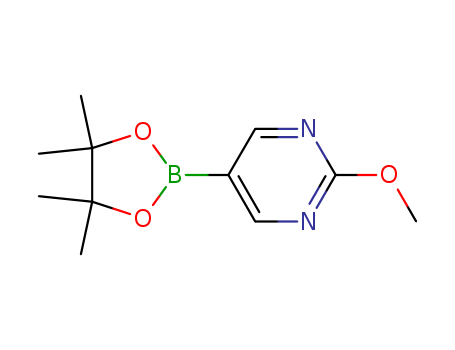
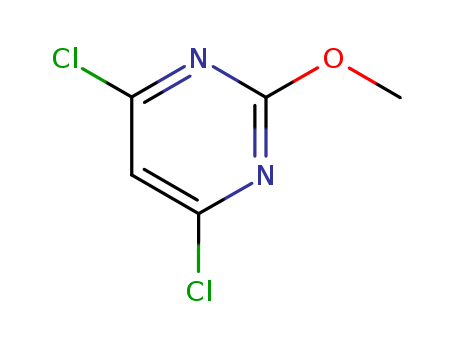
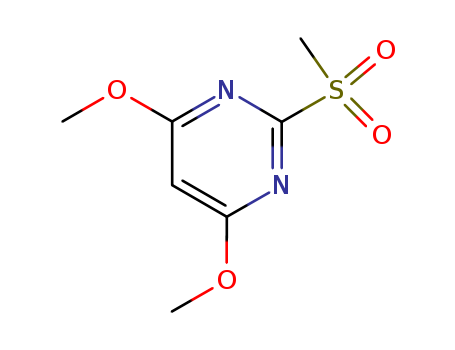
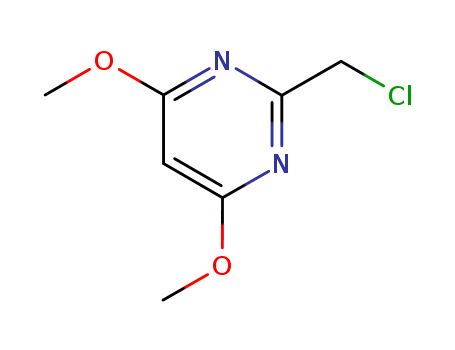
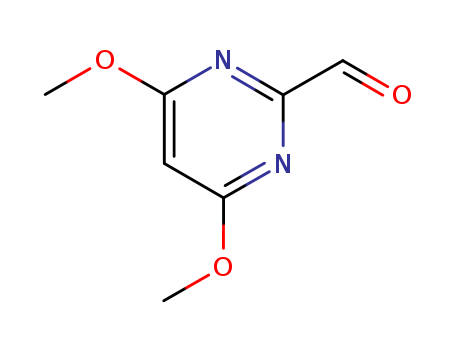
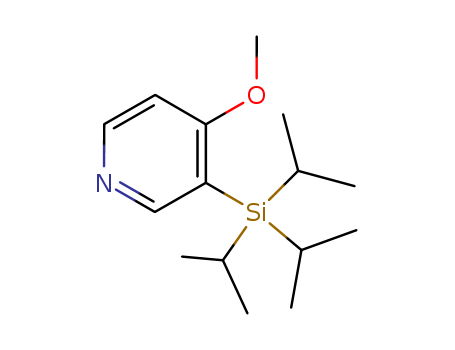
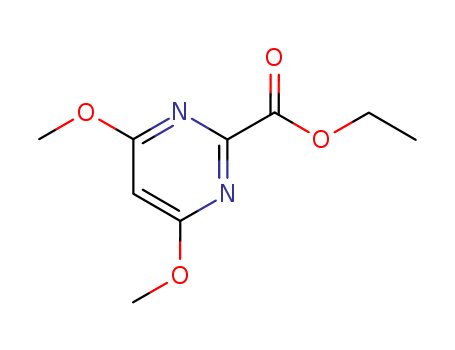
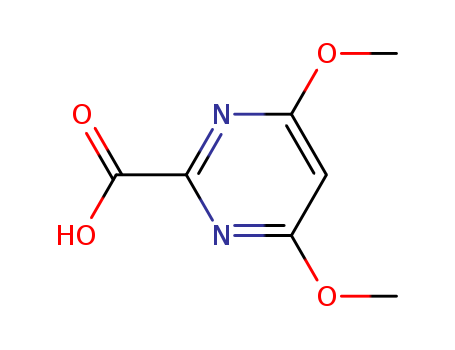
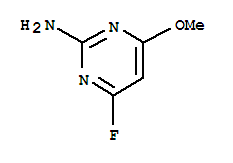
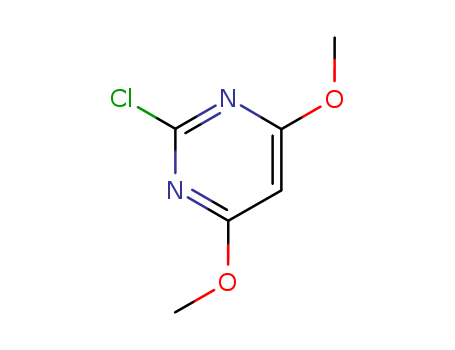
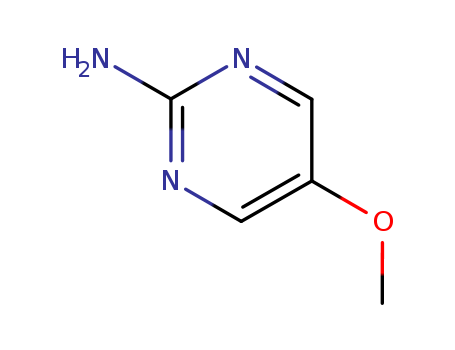
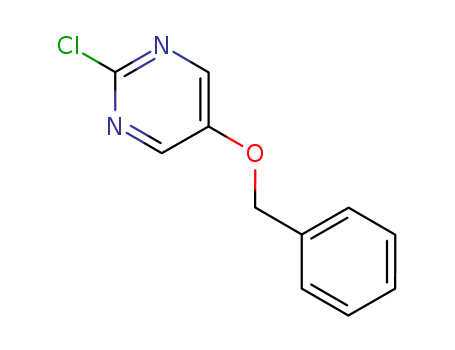
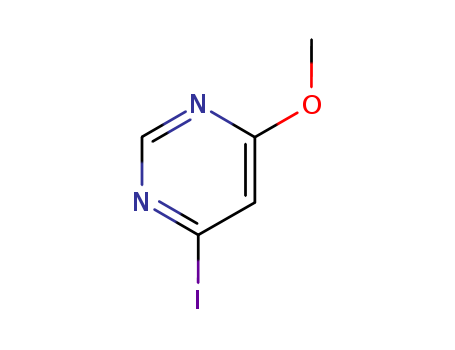
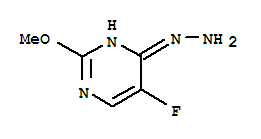
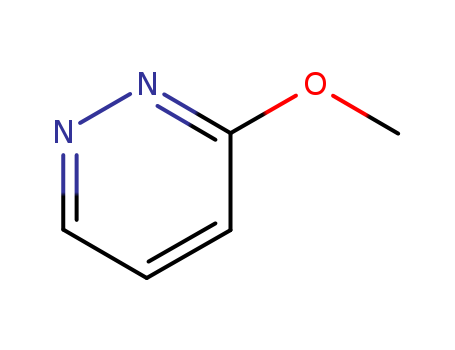
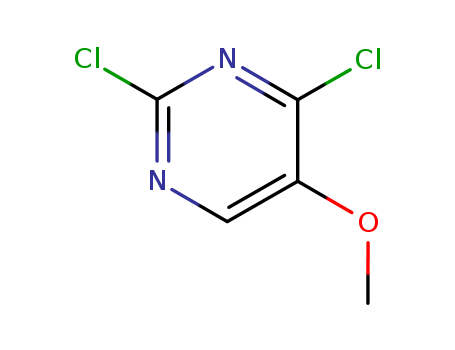
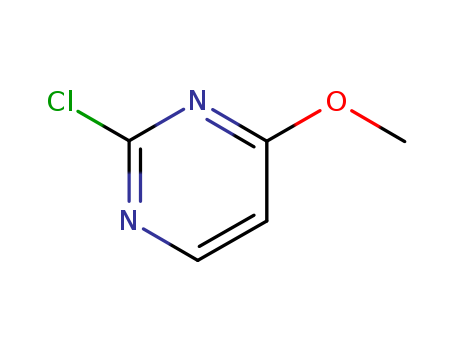
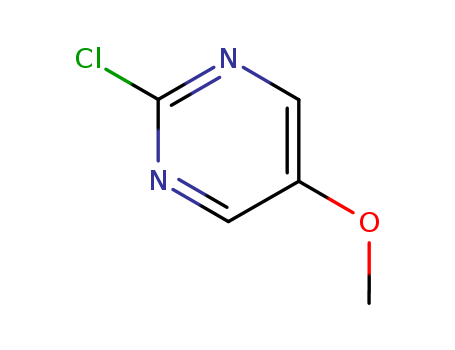
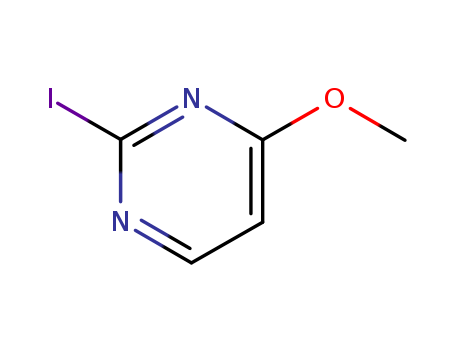
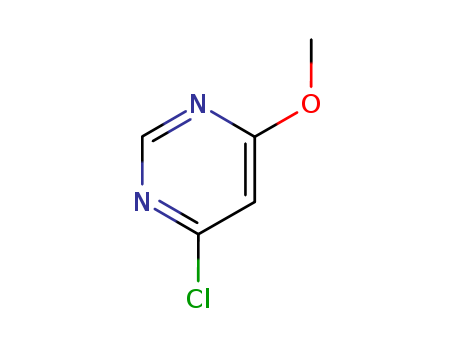
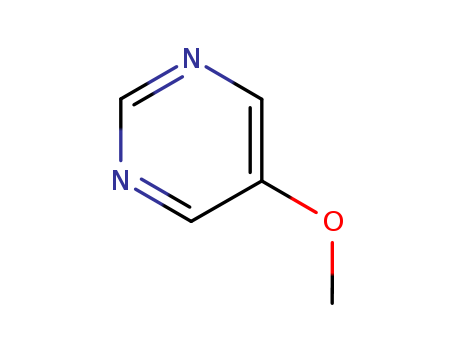
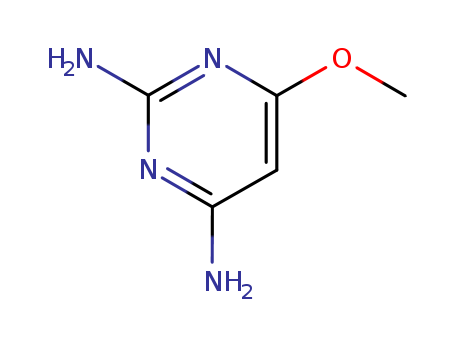
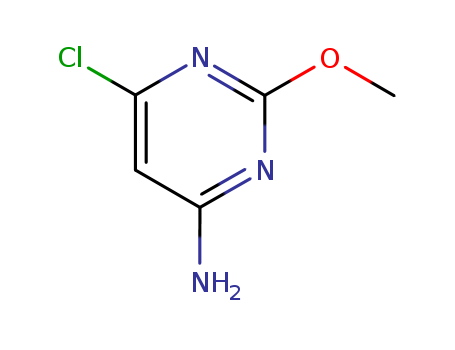
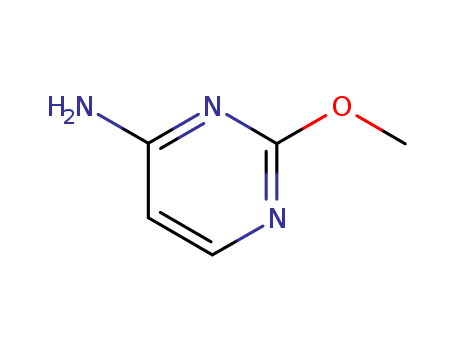
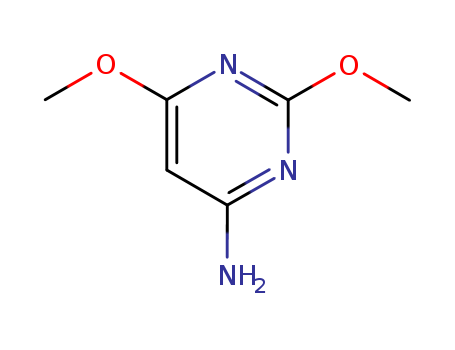
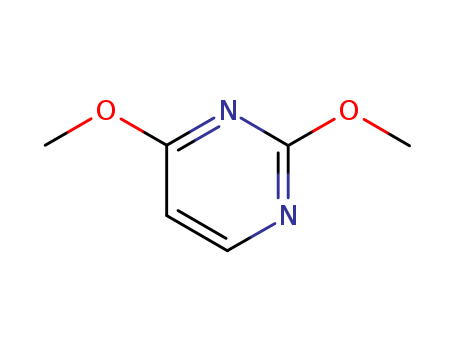
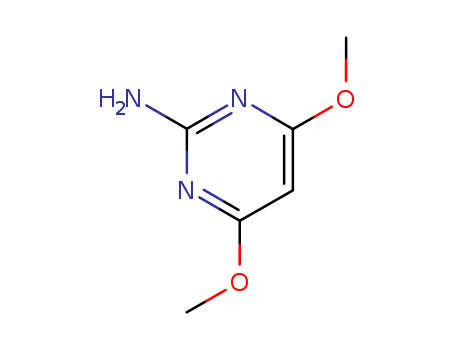
Methoxypyrimidine refers to organic compounds where a methoxy group (-OCH3) is attached to a pyrimidine ring, a six-membered heterocyclic ring composed of two nitrogen atoms and four carbon atoms. The position of the methoxy group on the pyrimidine ring determines the specific isomer, with common examples including 2-methoxypyrimidine, 4-methoxypyrimidine, and 5-methoxypyrimidine. These compounds are important in organic synthesis and medicinal chemistry, serving as intermediates in the synthesis of pharmaceuticals, agrochemicals, and specialty chemicals. Methoxypyrimidines are valued for their ability to modify the physicochemical properties of the pyrimidine ring, such as solubility and polarity, which can influence their biological activity and pharmacokinetic properties. The presence of the methoxy group can also affect the reactivity of the compound, making it useful in designing molecules with specific functional roles in drug discovery and development.
- Structure
- Product name
- CAS No.
- Molecular formula
- Inquiry