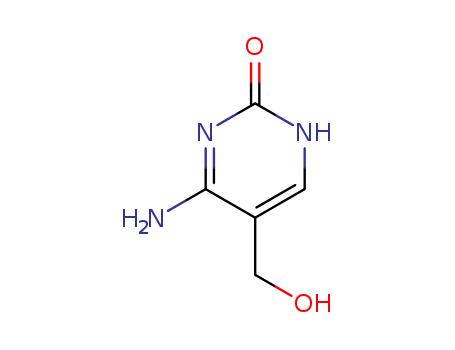
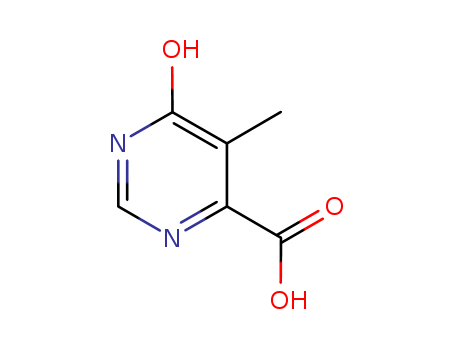
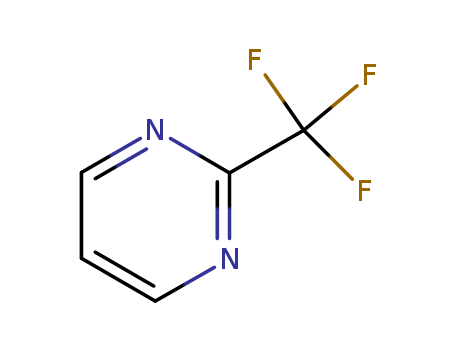
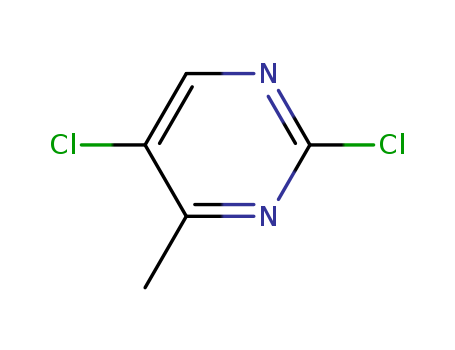
Methylpyrimidine
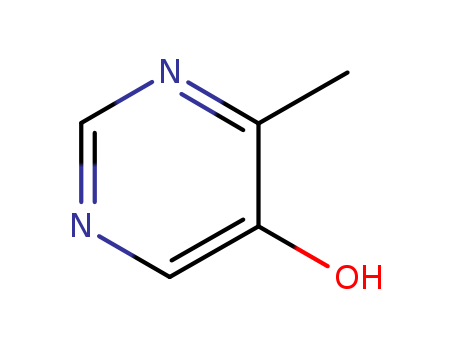
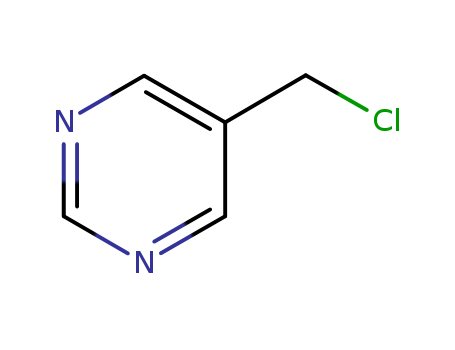
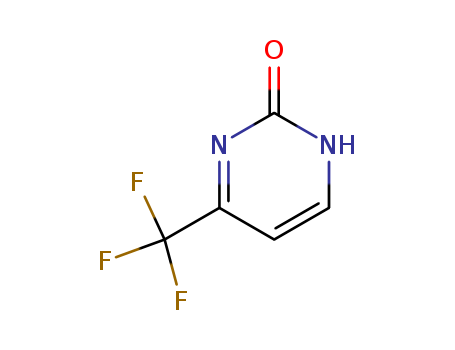
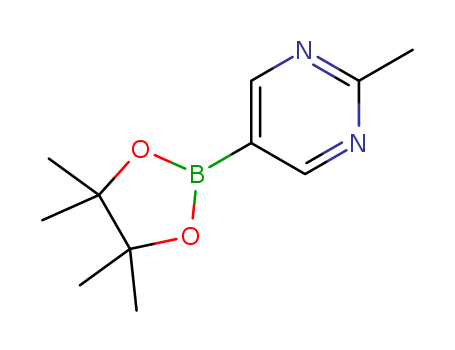
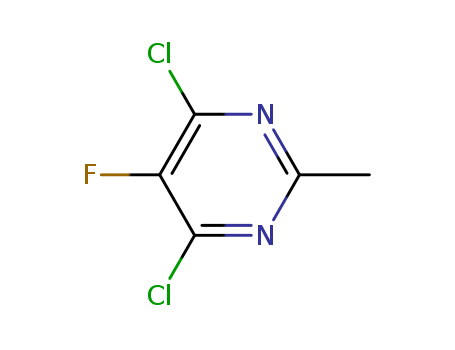
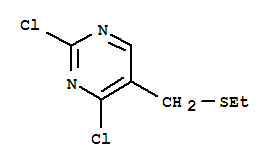
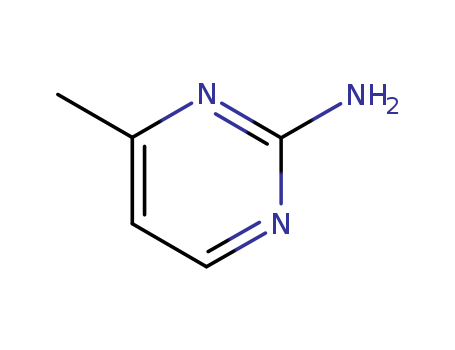
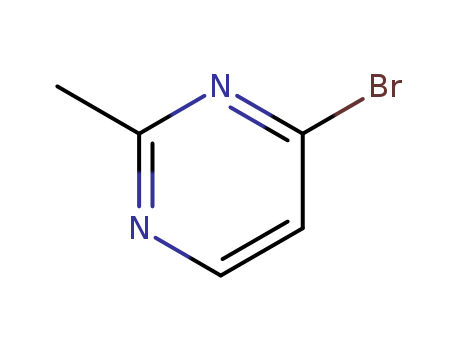
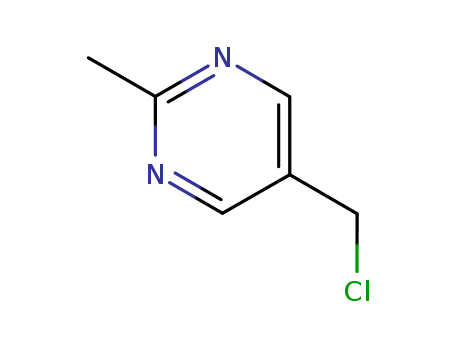
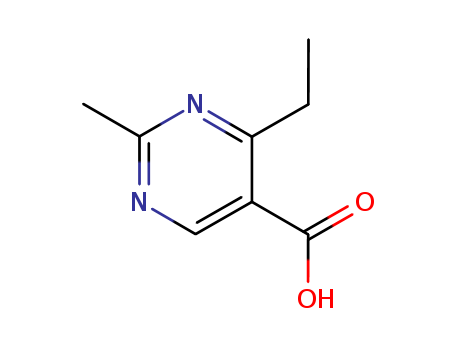
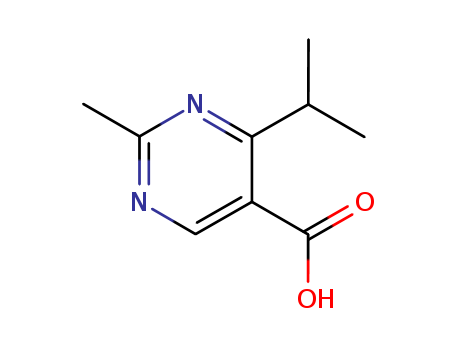
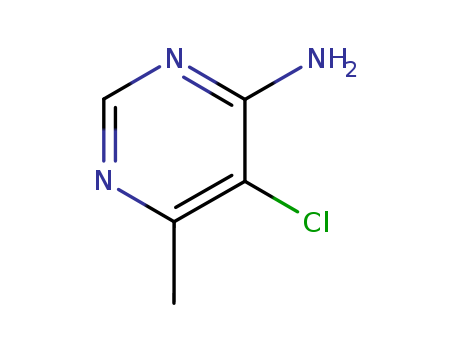
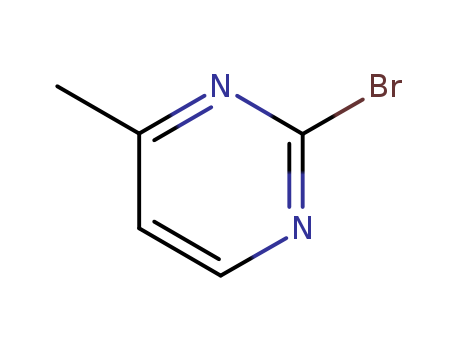
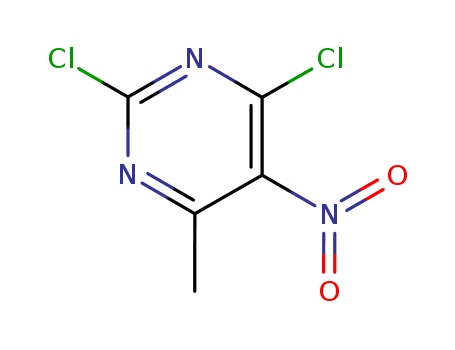
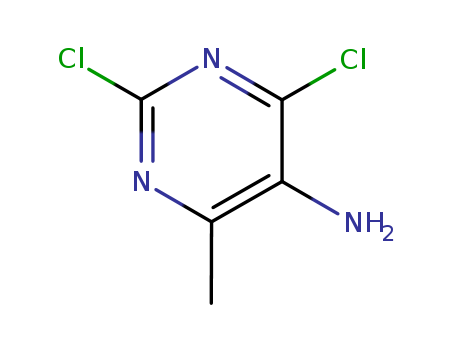
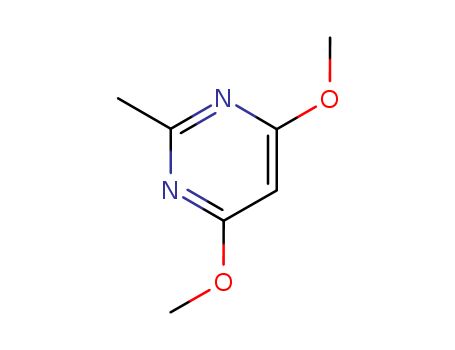
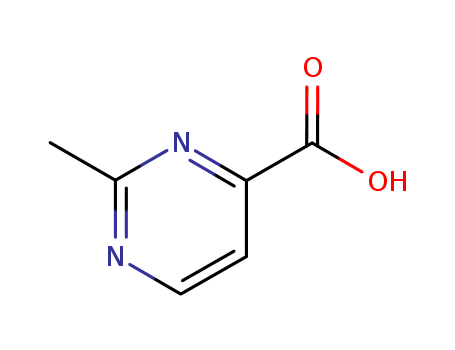
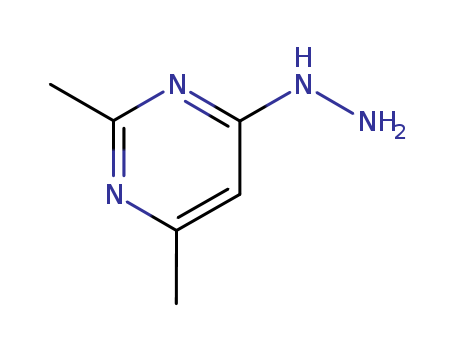
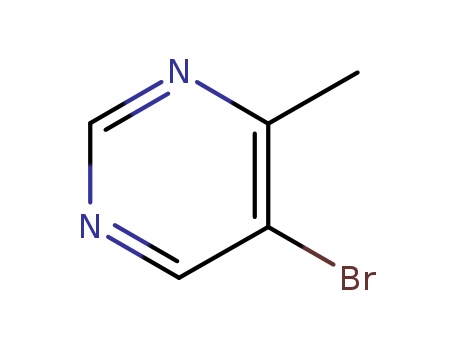
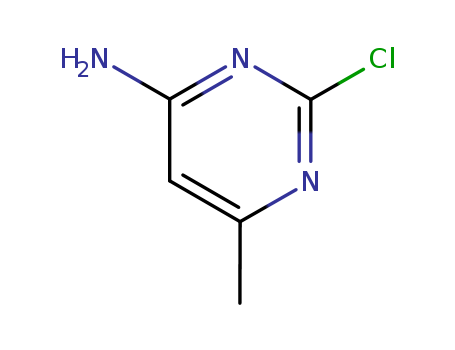
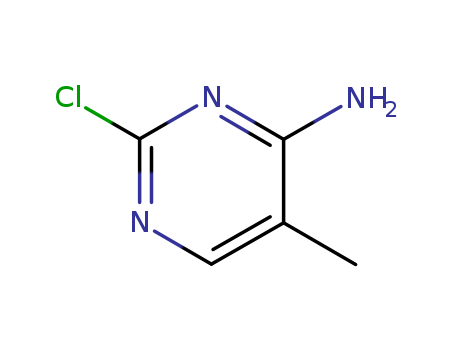
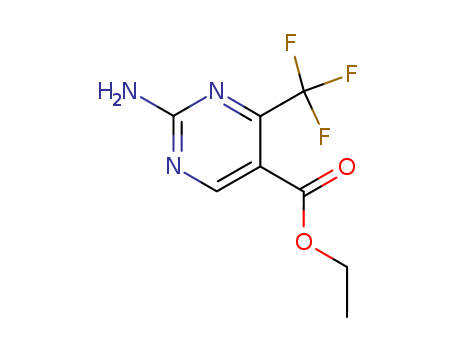
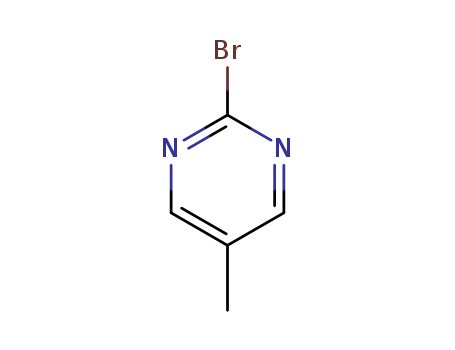
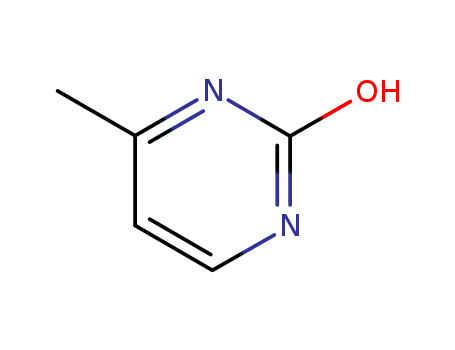
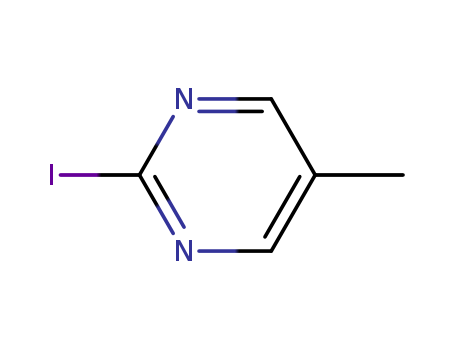
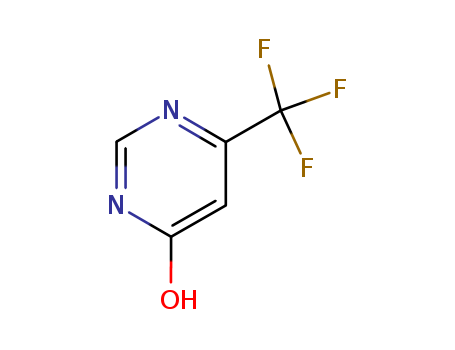
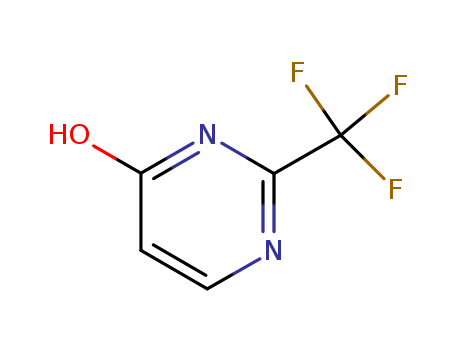
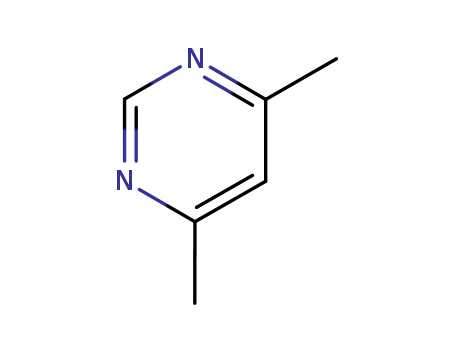
Methylpyrimidine refers to organic compounds where a methyl group (-CH3) is attached to a pyrimidine ring, a six-membered heterocyclic ring composed of two nitrogen atoms and four carbon atoms. The position of the methyl group on the pyrimidine ring determines the specific isomer, with common examples including 2-methylpyrimidine, 4-methylpyrimidine, and 5-methylpyrimidine. These compounds are important in organic chemistry and pharmaceutical research, serving as intermediates in the synthesis of various biologically active compounds and functional materials. Methylpyrimidines exhibit distinct chemical and physical properties depending on the position of the methyl group, influencing their reactivity, solubility, and biological activity.
- Structure
- Product name
- CAS No.
- Molecular formula
- Inquiry